

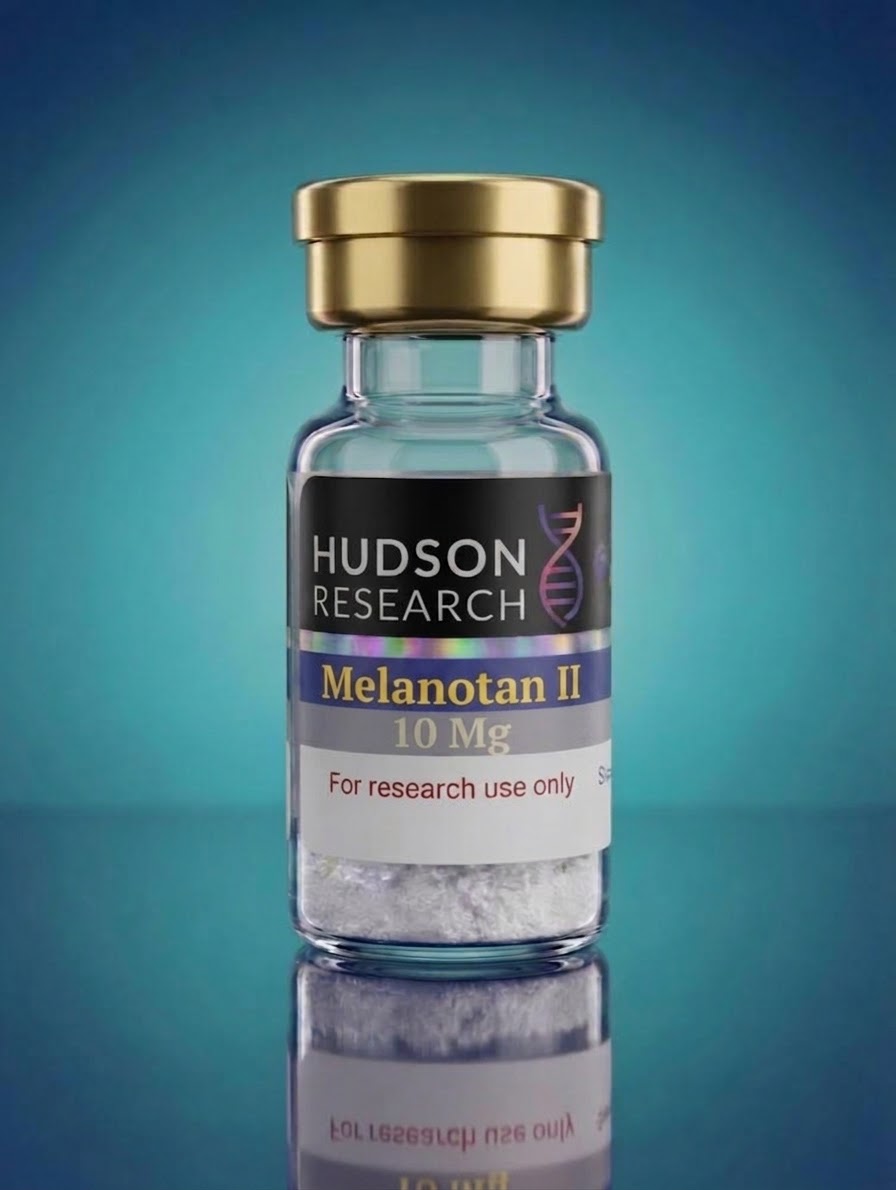
Melanotan II
Price range: $35.00 through $252.00
Hudson research lab peptides: Learn about Melanotan II, its potential risks, safety concerns, and important considerations before researching synthetic peptides.
Melanotan II: Essential Information About This Synthetic Peptide
Understanding Melanotan II
Hudson research lab peptides Melanotan II is a synthetic peptide that has attracted online attention because of its association with skin pigmentation and tanning. People searching for information about Melanotan II often want to understand how it works, what risks it may present, and how to evaluate information about peptide products in the United States.
Before researching any synthetic peptide, it is important to distinguish scientifically supported information from marketing claims. Although Melanotan II is frequently discussed on websites selling research peptides, online availability does not establish that a product is safe, effective, or approved for human use.
For consumers researching Hudson research lab peptides, understanding product transparency, regulatory status, and safety information is an essential first step.
What Is Melanotan II?
Melanotan II is a synthetic analogue of alpha-melanocyte-stimulating hormone, a naturally occurring signaling molecule involved in several biological processes, including the regulation of melanin production.
Melanin is the pigment responsible for much of the color in human skin, hair, and eyes. Interest in Melanotan II has largely centered on its potential influence on pigmentation and its effects on other biological pathways.
However, Melanotan II should not be confused with an approved tanning product. It is not an FDA-approved medication for tanning, and its unapproved status is an important consideration for anyone researching products marketed under this name.
How Does Melanotan II Work?
Melanotan II interacts with melanocortin receptors, which participate in several physiological functions. Its activity has been studied in scientific settings, but this does not mean that the peptide is established as a safe option for cosmetic use.
The effects of melanocortin-receptor activity can extend beyond pigmentation. This complexity is one reason why the safety of an experimental compound cannot be determined simply by its intended purpose or by testimonials published online.
Consumers should be cautious about claims promising predictable tanning results, rapid cosmetic improvements, or an absence of side effects. Individual responses can vary, and online anecdotes are not a substitute for controlled clinical evidence.
Potential Risks and Safety Considerations
Understanding the potential risks of Melanotan II is essential before considering any product marketed under this name.
Skin changes and pigmentation concerns
Melanotan II may cause changes in pigmentation, including darkening of existing moles and freckles. New or changing pigmented lesions can make it more difficult to identify potentially concerning skin changes.
Any mole that changes in size, shape, or color, or that begins bleeding or itching, should be assessed by a qualified healthcare professional.
Other reported adverse effects
Reported adverse effects associated with Melanotan II include nausea, flushing, headaches, and appetite changes. More serious concerns have also been discussed in medical reports, although the frequency and causal relationship of particular outcomes may not be fully established.
Unregulated products can introduce additional uncertainties, including incorrect ingredient concentrations, contamination, and inaccurate labeling.
Regulatory status in the United States
Melanotan II is not FDA-approved for tanning or other cosmetic use. Products advertised online as research peptides should not automatically be considered suitable for human consumption, injection, or other personal use.
A seller’s claims about purity, laboratory testing, or research-grade quality do not independently establish FDA approval or clinical safety.
Evaluating Hudson Research Lab Peptides
People searching for Hudson research lab peptides should evaluate online product information carefully. A professional-looking website or a product listing is not, by itself, evidence of regulatory authorization or product quality.
Before relying on a supplier’s claims, consider these questions:
- Regulatory transparency: Does the seller clearly explain the product’s regulatory status and intended use?
- Product documentation: Are analytical reports available, and do they identify the tested batch, testing methods, and laboratory?
- Ingredient information: Is the stated composition clear, consistent, and independently verifiable?
- Safety information: Does the seller provide balanced information about limitations and potential risks instead of relying exclusively on promotional claims?
- Business transparency: Are the business identity, contact information, and policies clearly presented?
- Evidence quality: Are product claims supported by reliable scientific evidence rather than testimonials alone?
These checks can help consumers distinguish verifiable information from unsupported advertising. Even when documentation is available, laboratory testing does not establish that an unapproved peptide is safe or appropriate for human use.
Where to Find Reliable Information About Melanotan II
If you are researching Melanotan II in the United States, prioritize reliable medical and regulatory resources over sales pages.
The U.S. Food and Drug Administration provides information about drug approval and regulatory concerns. The National Institutes of Health and peer-reviewed medical literature can also help readers understand scientific evidence and known limitations.
You can begin with the FDA website at https://www.fda.gov/ and search for information about unapproved drugs and products marketed for tanning.
A licensed healthcare professional can help assess questions about pigmentation, cosmetic tanning, and the potential risks of experimental compounds. For people seeking a tanned appearance, discussing established cosmetic alternatives with a qualified professional may help avoid the risks associated with unapproved injectable products.
Frequently Asked Questions About Melanotan II
Is Melanotan II FDA-approved?
No. Melanotan II is not FDA-approved for tanning or cosmetic use in the United States.
Is Melanotan II the same as an approved tanning treatment?
No. Melanotan II is an unapproved synthetic peptide. It should not be treated as interchangeable with legally marketed cosmetic products or FDA-approved medications.
Can online research peptide products be assumed to be safe?
No. Online availability, seller testimonials, and claims of laboratory purity do not establish safety, effectiveness, or authorization for human use.
What should consumers know about Hudson research lab peptides?
Consumers searching for Hudson research lab peptides should independently verify supplier identity, product documentation, and regulatory claims. Do not assume that a website is an authorized or official supplier without reliable evidence.
What is the safest next step for someone considering Melanotan II?
Consult a qualified healthcare professional before using an experimental or unapproved peptide. Seek medical attention for concerning symptoms or unexpected skin changes.
Final Thoughts
Melanotan II remains a subject of scientific and online interest, but uncertainty about its safety and the risks associated with unapproved products deserves serious consideration. Making informed decisions requires looking beyond persuasive marketing and focusing on reliable evidence, transparent documentation, and appropriate medical guidance.
For readers researching Hudson research lab peptides, the most valuable starting point is accurate information. Careful evaluation of regulatory status, product claims, and potential adverse effects can help prevent avoidable harm and support better-informed decisions.
| qty | 1 VIAL, 2 VIALS, 3VIALS, 5 VIALS, 10 VIALS |
|---|
Be the first to review “Melanotan II”
Related products
HUDSON LAB
HUDSON LAB
HUDSON LAB
HUDSON LAB
HUDSON LAB
HUDSON LAB
HUDSON LAB
HUDSON LAB
Reviews
There are no reviews yet.