

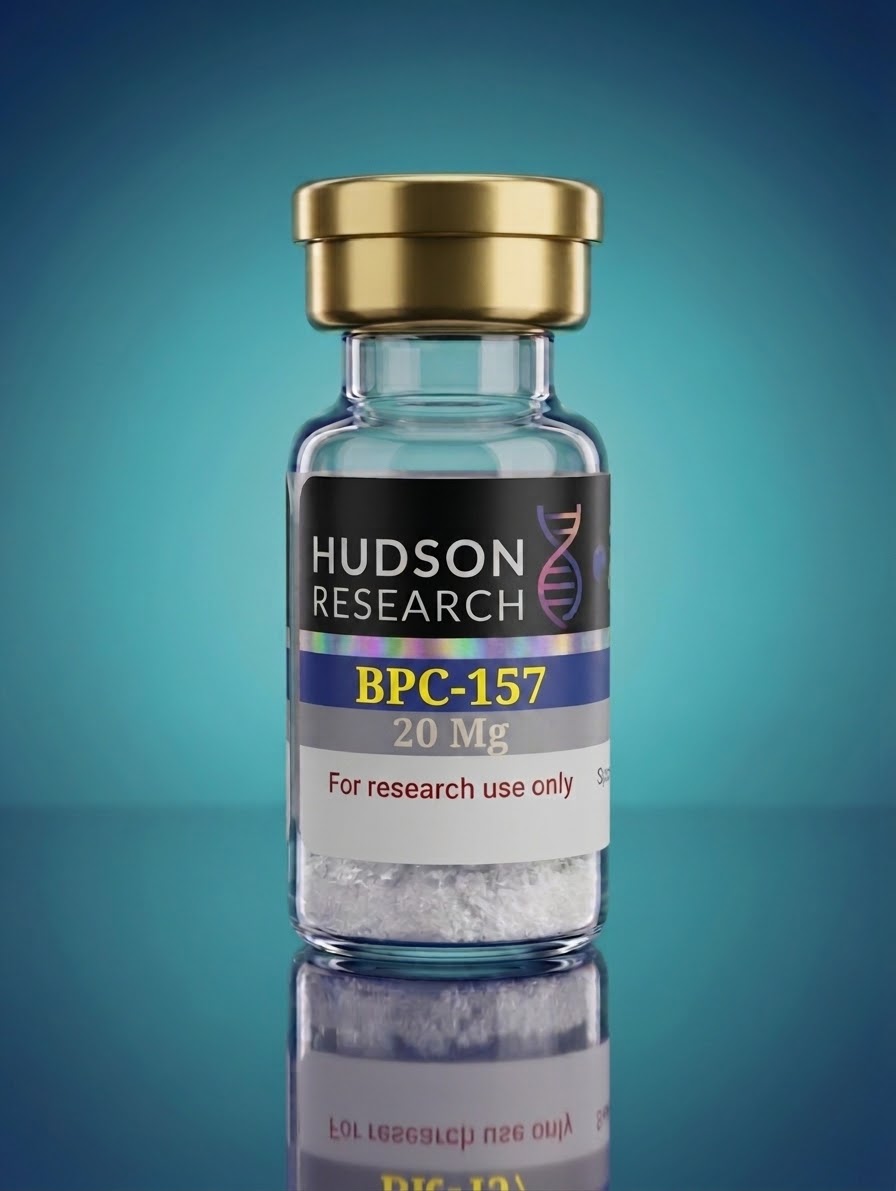
BPC-157
Price range: $30.00 through $425.00
Hudson research lab peptides: Explore BPC-157 research information, laboratory considerations, product documentation, and important U.S. regulatory guidance.
BPC-157 Research Peptide: Product Information and Research Considerations
BPC-157 Research Peptide: An Informative Guide for U.S. Researchers
BPC-157 is a synthetic peptide that has attracted scientific interest in preclinical research. Researchers have investigated its biological activity in laboratory and animal studies, particularly in relation to processes involving tissues, inflammation, and the gastrointestinal system. However, these early findings should not be confused with established evidence of safety or effectiveness in humans.
For individuals researching Hudson research lab peptides, understanding product documentation, laboratory handling requirements, and applicable U.S. regulations is essential. Responsible research begins with accurate information, transparent sourcing, and a clear understanding of the limitations of existing scientific evidence.
What Is BPC-157?
BPC-157 is a synthetic peptide consisting of 15 amino acids. It is commonly discussed in experimental research because of findings from preclinical studies examining its potential biological effects.
The peptide has been studied primarily in laboratory and animal models. Although some experimental findings have generated scientific interest, comprehensive clinical evidence in humans remains limited. Consequently, BPC-157 should not be described as a proven treatment for injuries, digestive disorders, inflammation, or other medical conditions.
Researchers evaluating BPC-157 should review the available scientific literature and distinguish between preliminary experimental observations and clinically validated outcomes.
Understanding BPC-157 Research
Scientific interest in BPC-157 includes several areas of investigation:
- Preclinical research: Studies examining biological activity in controlled laboratory and animal models.
- Tissue-related research: Experimental investigations into processes associated with tissue responses and repair.
- Gastrointestinal research: Preclinical investigations involving gastrointestinal tissues and biological pathways.
- Research limitations: Consideration of study design, sample sizes, reproducibility, and the differences between animal findings and human outcomes.
These areas describe research topics, not established therapeutic benefits. More rigorous clinical research is needed to determine whether the findings translate into meaningful outcomes in humans.
Hudson Research Lab Peptides: Evaluating Product Information
When researching Hudson research lab peptides, prospective laboratory purchasers should prioritize verifiable documentation rather than relying solely on advertising claims or product descriptions.
Before considering any research material, review the following information where available:
1. Product identity
Confirm that the documentation identifies the material, its stated composition, and any relevant batch or lot number. Product naming alone does not establish identity or purity.
2. Independent analytical testing
Look for batch-specific analytical documentation from a qualified laboratory. Depending on the material, relevant methods may include mass spectrometry or chromatography. A certificate of analysis should be assessed for its methodology, results, limitations, and connection to the specific batch.
3. Purity and quality information
Purity figures should be supported by appropriate analytical methods. A stated purity percentage does not automatically establish sterility, biological activity, safety, or suitability for a particular application.
4. Storage and handling documentation
Review any available manufacturer documentation concerning storage conditions, material stability, laboratory handling, and applicable safety precautions. Follow the procedures established by your laboratory’s safety program.
5. Supplier transparency
Evaluate whether a supplier provides verifiable business information, clear product specifications, accessible documentation, and appropriate customer support. Do not assume that a website is an official manufacturer or authorized distributor without independent confirmation.
For information about Hudson Research Lab, consult hudsonresearchslab.com directly and independently verify the business’s identity, product documentation, and applicable terms. This reference is not an endorsement or confirmation of the site’s official status, product quality, or regulatory compliance.
Important U.S. Regulatory Considerations
BPC-157 is not an FDA-approved drug for human use. Its legal and regulatory status depends on the intended use and the circumstances of distribution.
The U.S. Food and Drug Administration has identified BPC-157 in its discussion of bulk drug substances that may present significant safety risks when used in compounding. The agency has highlighted concerns including limited safety information and potential immunogenicity associated with peptide-related impurities or other product characteristics.
Products marketed for laboratory research should not automatically be considered suitable for human consumption, injection, diagnosis, treatment, or disease prevention. A research-use designation does not override applicable laws or establish that a product is safe for human use.
U.S. researchers and businesses should consult current FDA guidance and applicable federal and state requirements before purchasing, handling, distributing, or using peptide materials.
Research Quality and Responsible Laboratory Practices
Reliable scientific work depends on traceability, appropriate analytical methods, and reproducible procedures. When evaluating peptide research materials, laboratories should maintain suitable records of product identification, supplier information, batch documentation, storage conditions, and relevant experimental procedures.
Researchers should also consider the limitations of analytical certificates. A certificate may report a particular measurement without addressing every possible contaminant, stability issue, or biological risk. Independent review and appropriate quality controls can help researchers determine whether the available evidence meets their study requirements.
These precautions are important because inaccurate product identification or incomplete characterization can compromise experimental results and make findings difficult to reproduce.
Frequently Asked Questions About BPC-157
What is BPC-157 used for in research?
BPC-157 has been investigated in preclinical studies involving several biological processes, including tissue-related and gastrointestinal research. Its effectiveness and safety in humans have not been established through sufficient high-quality clinical evidence.
Is BPC-157 FDA-approved?
No. BPC-157 is not an FDA-approved drug for human use. Researchers and prospective purchasers should review current FDA information and applicable regulations.
How can researchers assess peptide quality?
Researchers can examine batch-specific analytical reports, product identity information, testing methods, purity data, supplier transparency, and relevant handling documentation. No single document guarantees that a material is safe or appropriate for every research application.
Where can I find information about Hudson Research Lab peptides?
You can consult hudsonresearchslab.com for information published by the website. Independently verify the company’s identity, the accuracy of its product documentation, and its compliance with applicable regulations before making purchasing decisions.
Can BPC-157 be considered a proven treatment?
No. Preliminary laboratory and animal findings do not establish that BPC-157 is a safe or effective treatment for humans. Medical decisions should be made with a qualified healthcare professional using reliable clinical evidence.
Conclusion: Make Evidence-Based Research Decisions
BPC-157 remains an experimental peptide with scientific interest but substantial unanswered questions about human safety and effectiveness. For U.S. researchers evaluating Hudson research lab peptides, the most responsible approach is to prioritize verifiable documentation, transparent sourcing, appropriate laboratory controls, and current regulatory guidance.
Careful evaluation helps researchers make more informed decisions, protect experimental integrity, and avoid confusing preliminary scientific findings with proven medical outcomes. Accurate product information and responsible research practices are essential foundations for credible laboratory work.
| strength mg | 10mg, 20mg |
|---|---|
| qty | 1 VIAL, 2 VIALS, 3VIALS, 5 VIALS, 10 VIALS |
Be the first to review “BPC-157”
Related products
Uncategorized
HUDSON LAB
HUDSON LAB
HUDSON LAB
HUDSON LAB
HUDSON LAB
HUDSON LAB
HUDSON LAB
Reviews
There are no reviews yet.