

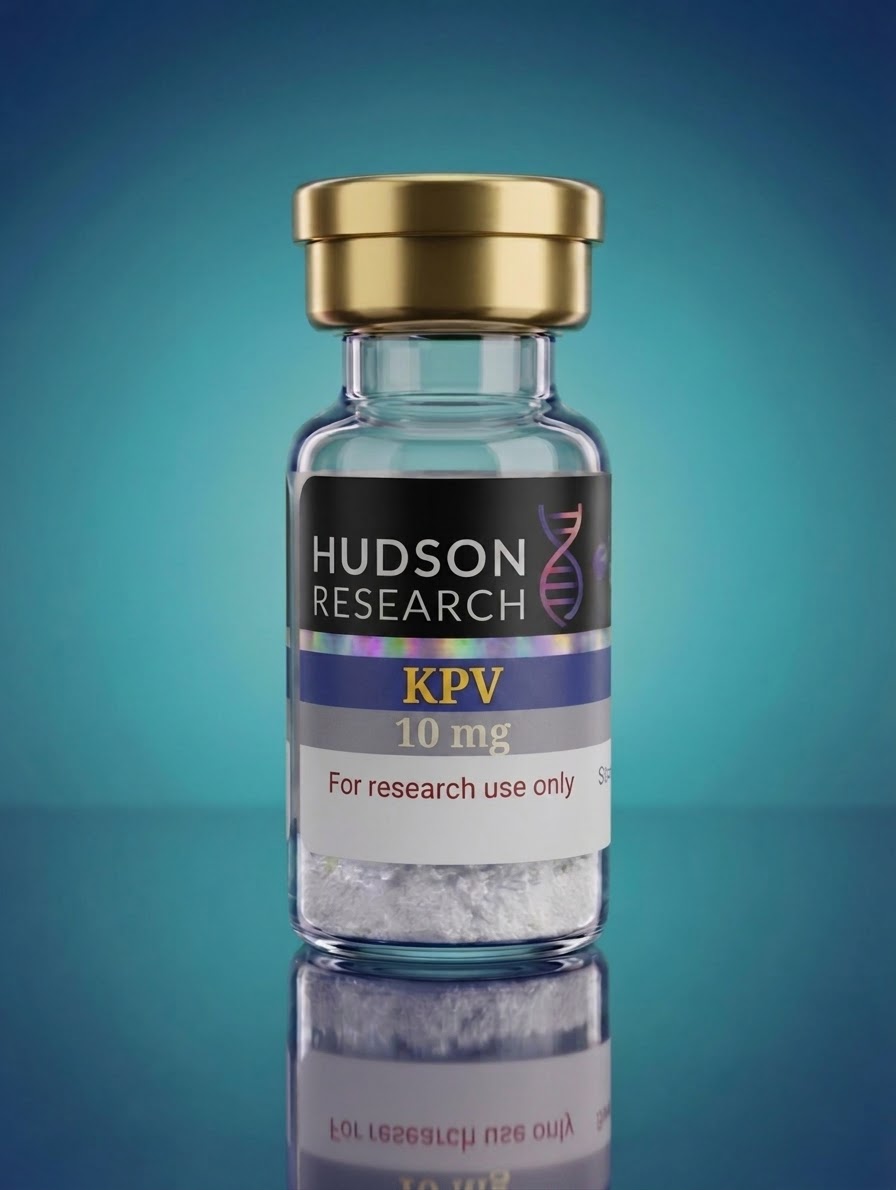
KPV
Price range: $23.00 through $216.00
Shop Hudson research lab peptides and explore KPV research information, product specifications, handling guidance, and research-use documentation.
KPV Peptide: Research Information, Product Specifications, and Laboratory Considerations
Explore KPV Research and Hudson Research Lab Peptides
KPV is a short peptide consisting of three amino acids: lysine, proline, and valine. It has attracted scientific interest in laboratory research examining peptide structures, biological signaling, and inflammatory pathways. For researchers investigating peptide-related mechanisms, understanding KPV’s composition, research background, and documentation requirements is an important starting point.
When searching online for Hudson research lab peptides, researchers may be looking for product specifications, laboratory documentation, handling information, and details about the supplier’s research-use offerings. Evaluating these factors carefully can help support a more transparent and organized research process.
For individuals researching KPV, Hudson Research Lab’s website, hudsonresearchslab.com, can be checked for available product listings and supplier-provided information. Before placing an order, independently verify the seller’s identity, product documentation, applicable restrictions, and suitability for your intended lawful research activity. Do not assume that a website is an authorized or official source without supporting verification.
What Is KPV Peptide?
KPV is a tripeptide, meaning it contains three amino acid residues. Its name represents its amino acid sequence: lysine (K), proline (P), and valine (V). Peptides are chains of amino acids that researchers study to understand their chemical properties and potential biological interactions.
KPV has been investigated in scientific literature in connection with inflammatory processes and biological signaling. However, findings from laboratory experiments do not automatically establish benefits in humans, and preliminary research should not be interpreted as proof of safety or effectiveness.
For this reason, researchers should distinguish between established chemical information, experimental observations, and unverified marketing claims. A reliable product listing should identify the material accurately and provide documentation appropriate to its stated research purpose.
Why Researchers Investigate KPV
Interest in KPV is associated with scientific questions about short peptides and their interactions in experimental systems. Research involving peptide compounds can contribute to broader investigations into molecular behavior, biological pathways, and the relationship between peptide structure and activity.
The value of a research material depends on the question being investigated, the experimental design, and the quality of the supporting documentation. Researchers should consult relevant peer-reviewed publications and assess whether the available evidence supports a particular hypothesis.
It is important to recognize that research findings may differ according to experimental conditions. Results obtained in cell cultures or other laboratory models cannot independently demonstrate that a peptide is effective or safe for human use.
KPV should not be represented as a proven treatment for inflammatory conditions, digestive disorders, skin problems, or other medical concerns without appropriate clinical evidence and regulatory authorization.
Hudson Research Lab Peptides: What to Verify Before Ordering
When evaluating a supplier offering KPV or other research peptides, transparency should be a priority. A professional purchasing decision starts with reviewing the information available for the specific product rather than relying exclusively on promotional descriptions.
Consider the following factors before proceeding:
- Product identity: Check that the product is explicitly identified as KPV and that the listed chemical information is consistent with the intended material.
- Batch-specific documentation: Determine whether a certificate of analysis or other analytical report is available for the actual batch being offered.
- Testing details: Review the analytical methods, reported results, testing date, and identity of the laboratory where applicable.
- Purity claims: Look for clearly documented measurements rather than assuming a particular purity percentage from general marketing language.
- Storage information: Consult supplier documentation and applicable laboratory safety guidance for appropriate storage and handling requirements.
- Supplier transparency: Review the seller’s business information, contact details, policies, and terms of sale.
- Regulatory compliance: Confirm that the proposed purchase, possession, shipment, and research activity comply with applicable federal and state requirements.
These checks can help researchers make more informed decisions and reduce the risk of relying on incomplete or misleading product information.
Product Quality and Research Documentation
Research quality depends on more than a product name or a headline purity claim. Analytical documentation, material traceability, and clearly stated specifications are important when selecting laboratory materials.
A certificate of analysis may provide information about identity, purity, and certain testing results. However, the presence of a document alone does not guarantee product quality. Researchers should examine whether the report relates to the specific batch, whether the testing methods are appropriate, and whether the results can be independently verified.
Where available, third-party testing can provide additional information about a material’s measured characteristics. The scope of testing matters: a report addressing one characteristic should not be interpreted as proof of every aspect of product quality, safety, or suitability.
When reviewing Hudson research lab peptides, look for accessible, product-specific documentation and clear explanations of the information supplied. If important specifications are missing, contact the seller for clarification rather than assuming the product meets an unstated standard.
Responsible Research and Laboratory Handling
Peptide research requires appropriate facilities, trained personnel, and procedures suited to the material and experimental application. Researchers should consult the relevant safety documentation and institutional protocols before working with any laboratory compound.
Storage and handling conditions should be based on reliable product-specific guidance, not assumptions drawn from another peptide or supplier. Researchers should also maintain appropriate records of material identification, batch information, receipt dates, storage conditions, and experimental use.
KPV marketed for laboratory research should not be treated as an approved dietary supplement or medication. Research-use labeling does not establish that a substance is safe for self-administration, and it does not replace regulatory review or clinical evidence.
Do not inject, ingest, or otherwise use a research-labeled peptide for personal health, cosmetic, or therapeutic purposes. Anyone considering a substance for a medical concern should consult a qualified healthcare professional about evidence-based and appropriately authorized options.
Where to Find KPV Research Information
If you are searching for KPV online, start by identifying the exact material you need and the documentation required for your research. Search terms such as “KPV peptide research,” “KPV product specifications,” and “Hudson research lab peptides” can help you locate product information and related scientific resources.
The website hudsonresearchslab.com is a place to check for the seller’s current KPV listing, if available. Verify the listing directly and review its specifications, documentation, ordering terms, and shipping restrictions before making a purchasing decision.
This reference does not independently confirm that Hudson Research Lab is an authorized or official supplier, that KPV is currently available, or that any particular product meets a stated specification. Confirm those details directly with the business and, where appropriate, an independent source.
Researchers should also consult scientific publications for background on KPV and assess the strength and limitations of the available evidence. Independent research is especially important when online descriptions make broad claims that extend beyond the results of published experiments.
Frequently Asked Questions About KPV
What does KPV stand for?
KPV represents lysine, proline, and valine, the three amino acids in this short peptide.
Is KPV an approved medication?
KPV should not be assumed to be an approved medication. Its regulatory status and any authorized uses should be checked with the relevant authorities for the applicable jurisdiction.
Where can I find Hudson research lab peptides?
Visit hudsonresearchslab.com to check whether the seller provides a KPV listing and supporting documentation. Independently verify the business and product details before ordering.
Does a high purity claim guarantee quality?
No. A purity percentage alone does not establish identity, complete product quality, safety, or suitability for a particular experiment. Review the underlying analytical documentation and its limitations.
Is research-grade KPV suitable for personal use?
Research-grade labeling does not establish suitability for human consumption, injection, or treatment. Use research materials only within appropriate, lawful research settings and follow applicable safety requirements.
Make an Informed Research Decision
KPV is a three-amino-acid peptide of scientific interest, but responsible evaluation requires careful attention to evidence, documentation, and intended use. When exploring Hudson research lab peptides, prioritize transparent specifications, verifiable analytical information, and compliance with applicable requirements.
Rather than relying on exaggerated promises, take a powerful, evidence-focused approach to evaluating research materials. Reviewing the available documentation and distinguishing experimental findings from proven clinical outcomes can help support more informed laboratory decisions.
For current product information, check hudsonresearchslab.com directly and verify the relevant details before proceeding. A careful, documentation-first approach is a positive step toward responsible research and more reliable scientific work.
| strength mg | 10mg, 20mg |
|---|---|
| qty | 1 VIAL, 2 VIALS, 3VIALS, 5 VIALS, 10 VIALS |
Be the first to review “KPV”
Related products
Uncategorized
HUDSON LAB
HUDSON LAB
HUDSON LAB
HUDSON LAB
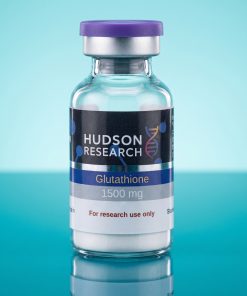
HUDSON LAB
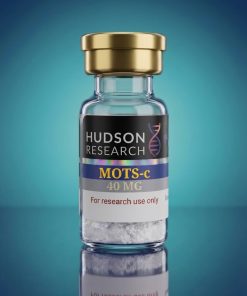
HUDSON LAB
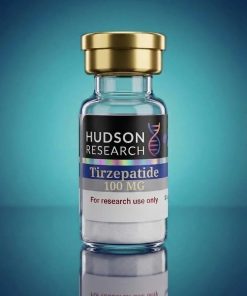
HUDSON LAB
Reviews
There are no reviews yet.