

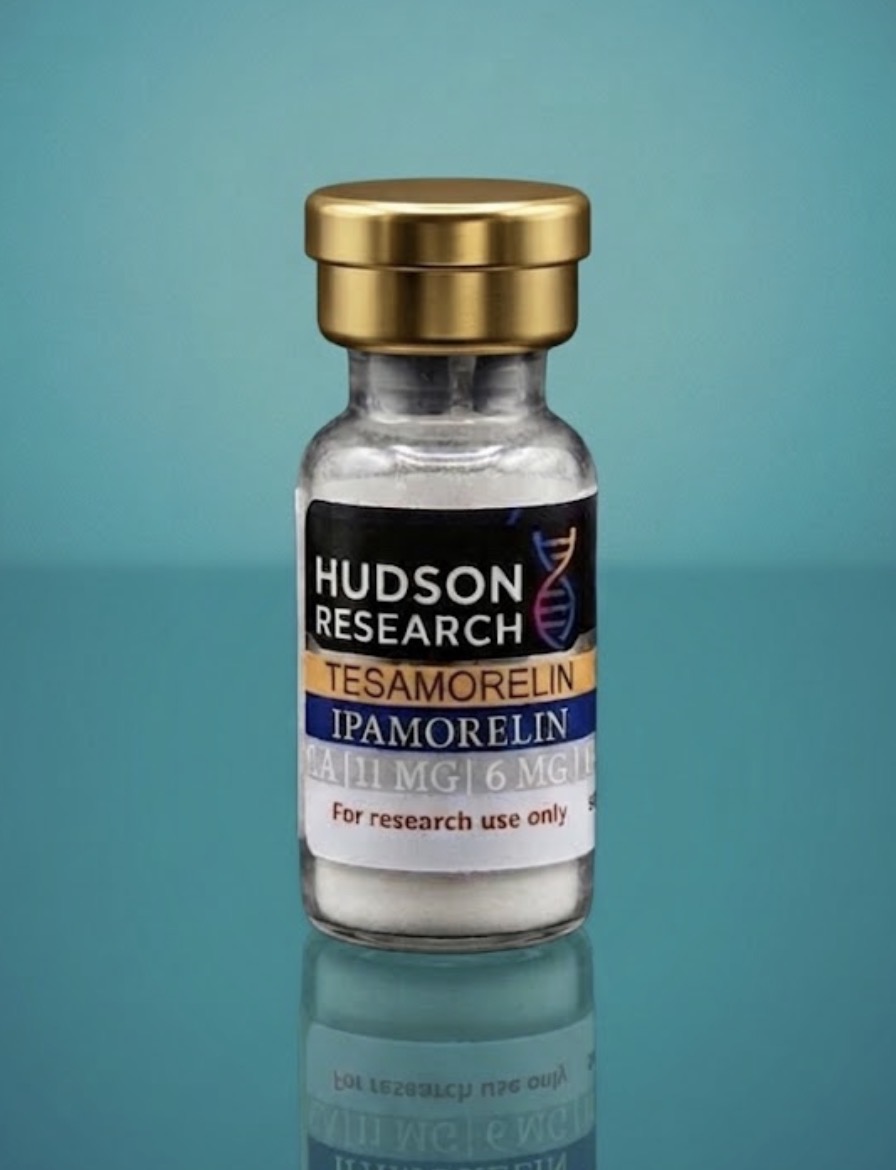


TESA + IPA: Research Overview, Product Information, and Quality Considerations
TESA + IPA: Research Information and Product Overview
Understanding TESA + IPA
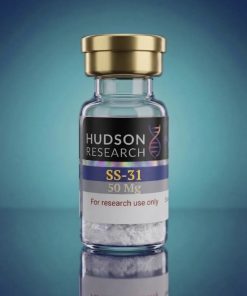
Hudson research lab peptides TESA + IPA is a name that may refer to a combination of tesamorelin and ipamorelin, two distinct peptide compounds studied for their interactions with growth hormone signaling pathways. Researchers evaluating peptide-related materials should review the exact compound identities, stated concentrations, formulation details, and available analytical documentation before making scientific or procurement decisions.
For laboratories and qualified research professionals in the United States, accurate product identification is an essential part of responsible research. Product names alone do not establish chemical identity, purity, stability, suitability for a particular experiment, or regulatory status.
When evaluating a product marketed as TESA + IPA, review its complete specifications and confirm whether the supplied materials match the requirements of the intended laboratory investigation.
What Are Tesamorelin and Ipamorelin?
Tesamorelin is a synthetic peptide related to growth hormone-releasing hormone (GHRH). Ipamorelin is a synthetic peptide that acts on the ghrelin receptor and has been investigated for its effects on growth hormone release. Although both compounds are associated with growth hormone signaling, they have different structures and mechanisms of action.
These distinctions matter when interpreting research findings. Results associated with one compound should not automatically be attributed to the other, and findings involving individual compounds cannot establish the safety or effectiveness of a combination.
Researchers should consult peer-reviewed literature and authoritative scientific documentation to understand the limitations of available evidence. Experimental findings may depend on the research model, formulation, study design, and analytical methods used.
Important Product Specifications
Before evaluating any TESA + IPA research material, laboratories should seek clear documentation covering the following areas:
- Compound identification: The identity of each listed peptide and its corresponding specifications.
- Composition: The stated amount and concentration of each component, where applicable.
- Analytical testing: Available documentation describing identity testing, purity assessment, and relevant analytical methods.
- Batch traceability: A lot or batch number that connects the material to its supporting records.
- Storage information: Manufacturer-provided requirements for maintaining product integrity.
- Handling documentation: Appropriate laboratory handling, transport, and disposal information.
- Quality documentation: A certificate of analysis or other relevant quality records, where available.
Transparent documentation can help laboratories evaluate research materials more consistently and identify missing information before a material is considered for an experiment.
Quality and Documentation Matter
Selecting laboratory materials based solely on a product name or an appealing description can create unnecessary uncertainty. Reliable scientific evaluation requires evidence that supports the identity and stated characteristics of the material.
A certificate of analysis may provide useful information about a particular batch, but its value depends on the tests performed, the methods used, the acceptance criteria, and the identity of the testing laboratory. The presence of a document should not automatically be interpreted as independent verification.
Laboratories should distinguish between manufacturer statements, third-party analytical results, and independently confirmed findings. This distinction supports more rigorous documentation and better-informed research decisions.
Responsible Research in the United States
The regulatory status of peptide compounds depends on the specific substance, intended use, product claims, and applicable federal and state requirements. A product described as being intended for research does not automatically qualify for every research application, and that description does not establish approval for human use.
Tesamorelin has an FDA-approved prescription product for a specific medical indication. That approval does not extend automatically to other formulations, combinations, or products sold under different names. Ipamorelin and products combining the two compounds should be evaluated separately under applicable regulatory requirements.
Researchers should consult authoritative FDA resources, institutional policies, and qualified regulatory professionals when determining whether a particular material and proposed use are permissible. Materials that are not approved for human use should not be represented as established treatments or promoted for self-administration.
Evaluating Hudson Research Lab Peptides
Individuals researching the phrase Hudson research lab peptides should verify a seller’s identity and product documentation rather than relying on search rankings or marketing language alone.
The website hudsonresearchlab.com can be checked directly for its published company information, product specifications, terms of sale, contact details, and available quality documentation. However, its status as an official or authorized source for TESA + IPA should be independently confirmed. No seller relationship, authorization, product availability, or testing standard should be assumed without supporting evidence.
Before relying on a supplier’s claims, review whether the information is specific to the exact product and batch, whether testing details are sufficiently transparent, and whether the stated intended use complies with applicable requirements.
Frequently Asked Questions
What does TESA + IPA mean?
The term may refer to tesamorelin and ipamorelin. Confirm the exact composition and specifications of any material using its product documentation.
Why is analytical documentation important?
Documentation can help establish product identity, characterize the material, and support laboratory traceability. Its reliability depends on the methods used and the quality of the underlying evidence.
Does a research designation mean a peptide is approved for human use?
No. A research-use designation does not establish approval for human administration, safety, or therapeutic effectiveness.
Where can I verify information about Hudson research lab peptides?
Check hudsonresearchlab.com for published company and product information, and independently verify relevant claims, documentation, and regulatory requirements before relying on them.
Conclusion
TESA + IPA requires careful evaluation of compound identity, analytical evidence, product documentation, and regulatory status. For United States research settings, transparent specifications and reliable records are more meaningful than unsupported purity, quality, or effectiveness claims.
A rigorous review process helps laboratories make informed decisions, maintain traceability, and avoid confusing research materials with approved medical products. Always prioritize verifiable documentation, responsible handling, and compliance with applicable requirements.
| qty | 1 VIAL, 2 VIALS, 3VIALS, 5 VIALS, 10 VIALS |
|---|
Be the first to review “TESA + IPA”
Related products
HUDSON LAB
HUDSON LAB
HUDSON LAB
HUDSON LAB
HUDSON LAB
HUDSON LAB
HUDSON LAB
HUDSON LAB
Reviews
There are no reviews yet.