

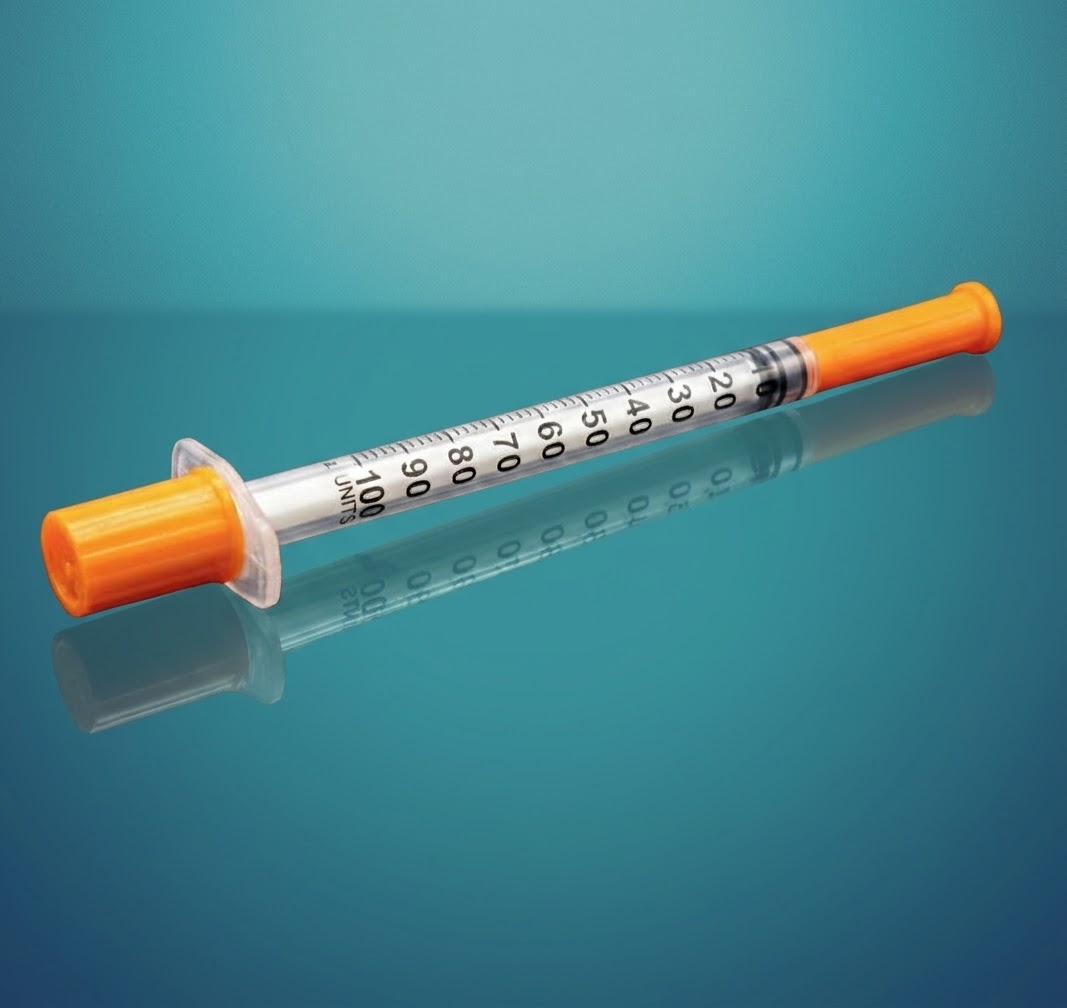
Syringes (1 mL, 31G)
Price range: $5.00 through $36.00
Hudson research lab peptides: Explore 1 mL, 31G syringe specifications, compatibility considerations, and safe handling guidance for laboratory research.
Syringes (1 mL, 31G) – Product Information and Research Use Guide
Syringes (1 mL, 31G): Product Overview
Choosing the appropriate syringe for laboratory work requires careful attention to capacity, needle gauge, compatibility, and intended application. Syringes (1 mL, 31G) describe a syringe with a nominal capacity of one milliliter and a 31-gauge needle, provided the product is supplied with an attached needle. These specifications help researchers and laboratory professionals identify equipment that may suit particular measurement and sample-handling procedures.
For customers researching Hudson research lab peptides and related laboratory supplies in the United States, understanding syringe specifications is an important step in evaluating equipment. Product suitability depends on the manufacturer’s stated intended use, material compatibility, sterility status, and applicable safety requirements.
Understanding 1 mL Syringe Capacity
A 1 mL syringe has a nominal maximum capacity of one milliliter. Its relatively small capacity can be useful in laboratory workflows that require handling small liquid volumes, depending on the equipment’s design and validated application.
Before selecting a syringe, review the graduation markings and the manufacturer’s stated measurement accuracy. Not all syringes offer the same graduation intervals, tolerances, or measurement characteristics. Selecting equipment based only on its nominal capacity may not provide the precision required for a particular procedure.
For research applications, documentation and repeatability are essential. Researchers should consult the product specifications and relevant laboratory procedures before introducing any new equipment into a workflow.
What Does 31G Mean?
The abbreviation 31G refers to a needle gauge of 31. Gauge is a standardized way of describing needle diameter, with higher gauge numbers generally corresponding to smaller outside diameters. However, exact dimensions and construction details should be verified against the manufacturer’s specifications.
Needle gauge alone does not establish whether a product is suitable for a particular substance, instrument, or application. Researchers should also consider needle length, connection type, material composition, and compatibility with the intended laboratory equipment.
A careful review of these characteristics can help prevent equipment mismatches and support more consistent laboratory practices.
Key Features to Verify Before Purchase
When comparing 1 mL syringes with 31G needles, evaluate the following characteristics:
- Capacity: Confirm the nominal volume and whether the graduation markings meet the requirements of the intended procedure.
- Needle specifications: Verify the gauge, needle length, and whether the needle is permanently attached or supplied separately.
- Material compatibility: Review the materials used in the barrel, plunger, seal, needle, and any protective components.
- Sterility status: Determine whether the product is sterile or nonsterile and whether the labeling supports the intended use.
- Packaging: Check whether the product is individually packaged, supplied in multipacks, or distributed in bulk.
- Manufacturer documentation: Review product identification, lot information, instructions, warnings, and applicable certifications.
- Intended application: Confirm that the product is expressly designed and authorized for the intended use.
These considerations provide a more reliable foundation for product selection than price or appearance alone.
Laboratory Handling and Storage
Appropriate handling practices are essential when working with laboratory consumables. Follow the manufacturer’s instructions for storage, inspection, and use. Protect products from environmental conditions that could compromise packaging integrity or material performance.
Inspect packaging before opening and do not use products with damaged packaging, missing identification, or unclear sterility information when those characteristics are required for the procedure. Follow institutional protocols for contamination prevention, personal protective equipment, and disposal.
Needles and other sharps require particular care. Used or contaminated sharps should be disposed of in designated sharps containers in accordance with applicable local, state, and federal requirements. Never reuse disposable equipment contrary to its labeling or intended use.
Selecting Research Supplies in the United States
Customers searching for Hudson research lab peptides or laboratory syringe supplies in the United States should prioritize transparent product information and responsible purchasing practices.
Before ordering from a supplier, review its published product catalog, contact information, return policy, shipping terms, and available manufacturer documentation. Verify that the exact item listed matches the product received, including its capacity, gauge, needle length, packaging, and stated intended use.
The website hudsonresearchslab.com should not be assumed to be an authorized or official source for a particular syringe without independent verification. Confirm the supplier’s identity and product claims directly before purchasing.
For laboratory procurement, maintaining records of product descriptions, purchase dates, supplier details, and lot numbers can help support traceability and inventory management.
Why Accurate Product Information Matters
Clear product descriptions help laboratories compare supplies efficiently and avoid preventable purchasing errors. Accurate information about capacity, gauge, packaging, materials, and intended use is especially important when equipment has strict compatibility or safety requirements.
Avoid relying on unsupported claims about precision, sterility, quality certifications, or suitability for specific substances. These attributes should be confirmed through the manufacturer’s documentation rather than inferred from a product name.
Likewise, syringe capacity and needle gauge do not establish that a product is appropriate for human or veterinary injection. Such use requires equipment specifically labeled and authorized for that purpose, along with appropriate professional guidance.
Frequently Asked Questions
What does 1 mL mean on a syringe?
It indicates the syringe’s nominal capacity of one milliliter. Graduation intervals and measurement accuracy vary by model, so consult the product documentation.
What does 31G mean?
31G identifies the needle gauge. A higher gauge number generally indicates a smaller needle outside diameter, although exact dimensions should be confirmed with the manufacturer.
Are all 1 mL, 31G syringes sterile?
No. Sterility depends on the particular product, its labeling, packaging, and manufacturing specifications. Never assume sterility from capacity or gauge alone.
Where can I verify product specifications?
Consult the original manufacturer’s product documentation and confirm the supplier’s identity, product listing, and intended-use statements before ordering.
Final Considerations
Selecting laboratory syringes involves more than choosing a capacity and needle gauge. Reviewing product specifications, compatibility, labeling, packaging, and handling requirements helps support safer and more consistent laboratory practices.
For United States buyers researching laboratory supplies, prioritize verified specifications, transparent sourcing, and responsible handling. These practical steps can help reduce purchasing uncertainty and ensure that selected equipment matches the documented requirements of the intended application.
| Quantity | 1 VIAL, 2 VIALS, 3VIALS, 5 VIALS, 10 VIALS |
|---|
Be the first to review “Syringes (1 mL, 31G)”
Related products
Uncategorized
HUDSON LAB
HUDSON LAB
HUDSON LAB
HUDSON LAB
HUDSON LAB
HUDSON LAB
HUDSON LAB
Reviews
There are no reviews yet.