

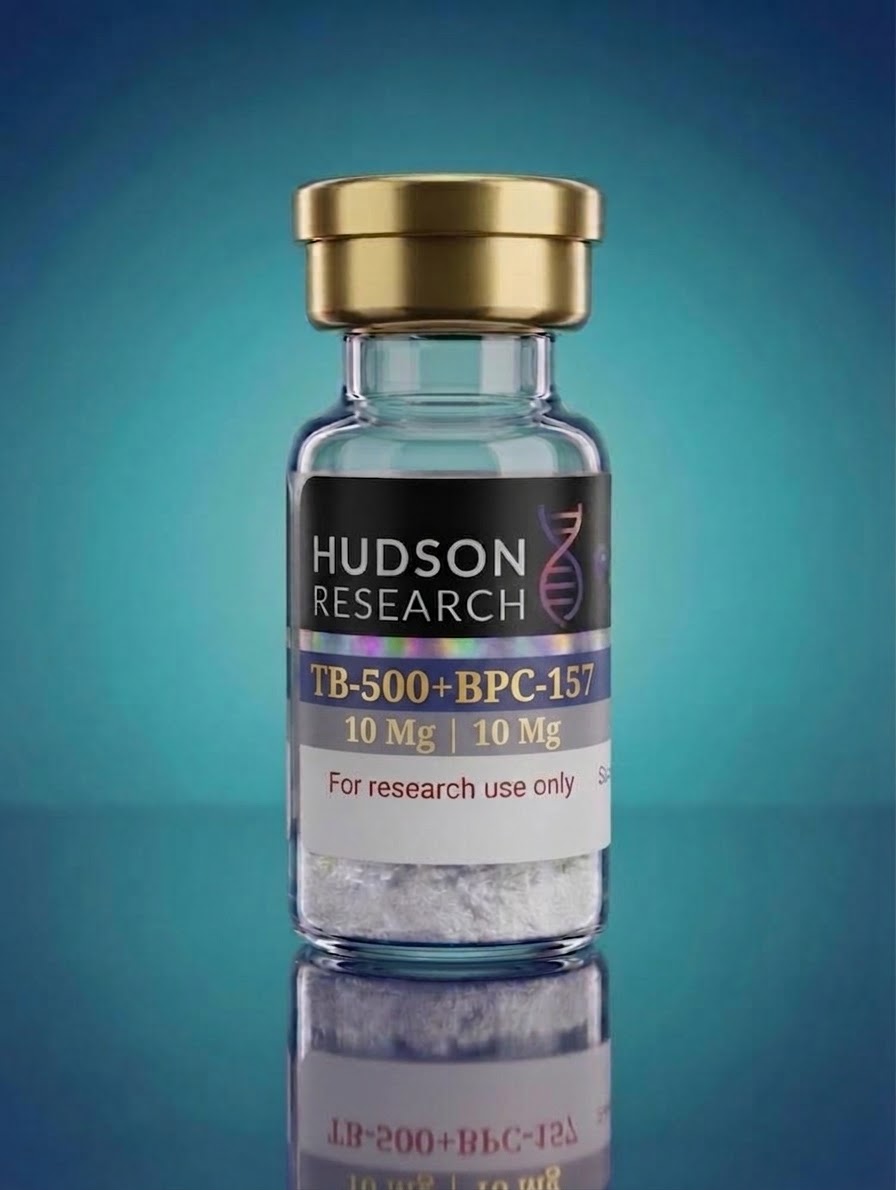

BPC-157 + TB-500: Research Overview, Peptide Information, and Buying Considerations
BPC-157 + TB-500: Understanding These Research Peptides
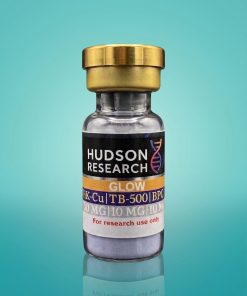
BPC-157 + TB-500 are peptide-related compounds that have attracted attention in laboratory research involving cellular processes, tissue biology, and biological signaling. Researchers interested in these compounds should understand their identities, the limitations of available evidence, and the importance of responsible laboratory practices before considering any research application.
For individuals searching for Hudson research lab peptides in the United States, reliable information should be the starting point. Clear product identification, transparent documentation, appropriate laboratory handling, and an understanding of applicable regulations are essential considerations when evaluating any research-related material.
Although online discussions sometimes associate BPC-157 and TB-500 with recovery, inflammation, and tissue repair, these claims should not be confused with established clinical evidence. Research findings do not automatically demonstrate that a compound is safe, effective, or appropriate for human use.
What Is BPC-157?
BPC-157 is a synthetic peptide commonly described in experimental research literature. It has been investigated in preclinical settings for potential biological effects involving cellular signaling and tissue-related processes.
Much of the available discussion surrounding BPC-157 originates from laboratory studies and animal research. Such findings can help researchers develop questions for future investigation, but they do not establish proven benefits in humans.
Anyone researching BPC-157 should distinguish between preliminary scientific findings, commercial marketing statements, and results from well-designed human clinical trials. This distinction helps prevent exaggerated expectations and supports a more accurate understanding of the compound’s current research status.
What Is TB-500?
TB-500 is a name used commercially for a peptide-related research product associated with thymosin beta-4 research. However, the precise identity and composition of a product sold under this name should be independently verified rather than assumed from the label alone.
Thymosin beta-4 has been studied for its role in various biological processes, including cell migration and tissue-related mechanisms. Nevertheless, evidence concerning thymosin beta-4 cannot automatically be applied to every product marketed as TB-500.
For laboratory investigations, accurate chemical identification, appropriate analytical testing, and documentation of the material’s composition are important. Researchers should avoid assuming that similarly named products are chemically identical or supported by the same scientific evidence.
Why Are BPC-157 and TB-500 Discussed Together?
BPC-157 and TB-500 frequently appear together in online peptide discussions because both have been associated with preclinical research into biological processes related to tissue function.
However, combining two compounds does not establish that they produce complementary effects or that a combination is safe. The scientific evidence for each compound must be evaluated independently, and any proposed combination requires appropriate evidence of its own.
Researchers should carefully examine the study design, experimental conditions, compound identity, and limitations of available publications before drawing conclusions. Online testimonials and anecdotal reports are not substitutes for controlled scientific research.
Evaluating Hudson Research Lab Peptides
When searching for Hudson research lab peptides, consumers and research professionals should prioritize verifiable information over bold marketing promises. A credible evaluation process focuses on the documentation available for a specific product and the seller’s ability to substantiate its claims.
Before relying on any supplier, consider the following factors:
- Product identification: Check whether the documentation identifies the compound clearly and provides relevant analytical information.
- Independent testing: Look for product-specific analytical reports and determine whether the testing laboratory and methods can be verified.
- Purity documentation: Understand what a stated purity percentage measures and whether the supporting report corresponds to the actual product or batch.
- Storage and handling: Review documented storage conditions and laboratory handling requirements relevant to the material.
- Transparent business information: Confirm the business’s identity, contact details, policies, and applicable terms.
- Regulatory compliance: Determine whether the intended research activity and the material’s distribution comply with relevant federal and state requirements.
These checks are more meaningful than promotional language alone. A polished website, an attractive label, or an unsupported purity claim should not be treated as proof of product quality.
Where to Find Hudson Research Lab Peptides
People searching online for Hudson research lab peptides may encounter hudsonresearchslab.com. The website should be independently evaluated before any purchasing decision.
I cannot verify that hudsonresearchslab.com is an authorized or official supplier of BPC-157 + TB-500. Accordingly, its ownership, product availability, product documentation, and business representations should be checked directly rather than assumed.
If you are evaluating this website, look for consistent company identification, accessible customer-service information, clear product descriptions, and verifiable analytical documentation. Review any applicable policies carefully and confirm that the proposed purchase is lawful for your intended purpose.
Search terms such as “Hudson research lab peptides,” “BPC-157 + TB-500 research information,” and “peptide laboratory documentation” can help users locate relevant information. However, search visibility and keyword rankings do not establish that a business or product has been independently vetted.
Safety, Evidence, and Regulatory Considerations
BPC-157 and products marketed as TB-500 should not be assumed to be approved medicines. Their safety and effectiveness for treating medical conditions have not been established through sufficient evidence to support routine clinical use.
In the United States, regulatory status depends on the specific substance, intended use, and applicable legal framework. FDA communications and other authoritative sources should be consulted for current information about unapproved drugs, compounding restrictions, and relevant enforcement actions.
These compounds should not be represented as proven treatments for injuries, inflammation, chronic pain, or other medical conditions without adequate supporting evidence. They should not replace an evaluation by a qualified healthcare professional.
Products designated for laboratory research should not be used in humans or animals unless that use is specifically lawful and appropriately authorized. A research-use label does not, by itself, establish safety, sterility, suitability for injection, or regulatory approval.
Making Informed Research Decisions
Responsible peptide research depends on evidence, accurate documentation, and realistic expectations. Before drawing conclusions about BPC-157 or TB-500, examine the quality of the underlying studies and determine whether their findings apply to the specific compound being investigated.
For anyone researching Hudson research lab peptides, the most valuable next step is to verify the exact product identity, investigate the supplier’s claims, and consult reliable scientific and regulatory resources. Avoid relying exclusively on affiliate pages, testimonials, or sales descriptions that promise dramatic results.
A careful, evidence-based approach is ultimately more valuable than an unsupported promise. By emphasizing transparent documentation, regulatory awareness, and scientific accuracy, researchers can make more informed decisions about the materials and information they encounter online.
Frequently Asked Questions
What are BPC-157 and TB-500?
They are peptide-related compounds discussed in experimental research. The available evidence does not establish that products marketed under these names are safe and effective treatments for human medical conditions.
Where can I find Hudson research lab peptides?
You may encounter hudsonresearchslab.com when searching for the brand or related terms. Verify the website’s ownership, product documentation, and applicable regulatory requirements independently; its official-supplier status has not been confirmed here.
Are BPC-157 and TB-500 FDA-approved treatments?
They should not be assumed to be FDA-approved medicines. Consult current FDA resources for authoritative information about the specific substances and their regulatory status.
What documentation should researchers examine?
Relevant documentation may include product identity, batch-specific analytical results, testing methods, storage requirements, and verifiable supplier information. A certificate of analysis should be reviewed critically rather than accepted as an automatic guarantee of quality.
Can online testimonials establish that these peptides work?
No. Testimonials are anecdotal and cannot establish clinical effectiveness or safety. Controlled studies and appropriately designed human clinical trials are needed to assess medical claims.
Conclusion
BPC-157 + TB-500 remain subjects of scientific interest, but important questions about their safety, effectiveness, product identity, and regulatory status remain. Anyone researching Hudson research lab peptides should prioritize verifiable evidence, independent documentation, and compliance with applicable U.S. requirements.
The strongest research decisions are built on transparency and scientific accuracy—not exaggerated promises. Evaluate every supplier and product carefully, and consult authoritative sources before relying on any health-related claim.
| strength | 10mg, 20mg |
|---|---|
| QTY | 1 VIAL, 2 VIALS, 3VIALS, 5 VIALS, 10 VIALS |
Be the first to review “BPC-157 + TB-500”
Related products
HUDSON LAB
HUDSON LAB
HUDSON LAB
HUDSON LAB
Uncategorized
HUDSON LAB
HUDSON LAB
HUDSON LAB
Reviews
There are no reviews yet.