

DSIP (Delta Sleep-Inducing Peptide): Research Overview and Buying Considerations
DSIP Peptide: An Informative Guide for US Researchers
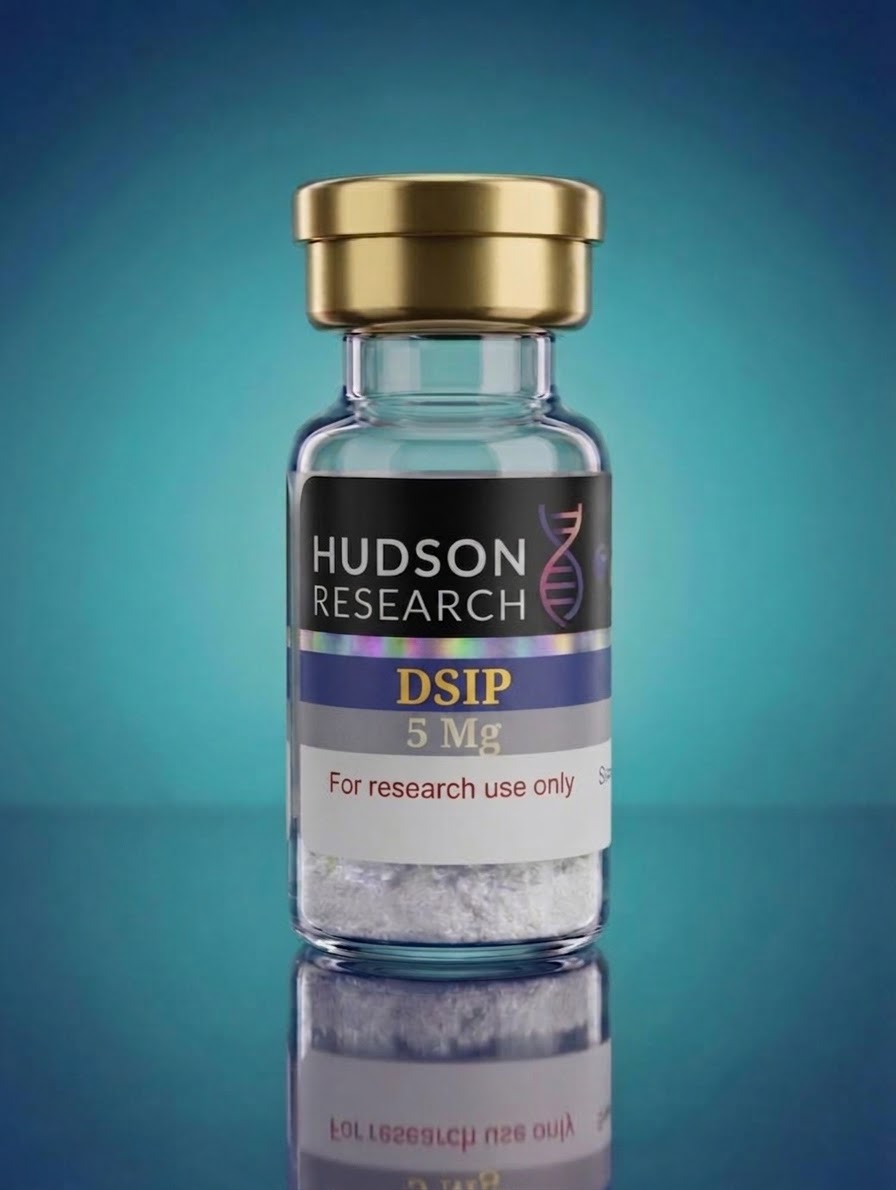
DSIP, short for Delta Sleep-Inducing Peptide, is a peptide that has attracted scientific interest because of its proposed relationship with sleep regulation and neurophysiological processes. Researchers interested in peptide science may encounter DSIP in discussions about sleep research, biological signaling, and experimental laboratory studies.
For anyone searching for Hudson research lab peptides in the United States, understanding the scientific background of DSIP is an important first step. Evaluating product documentation, supplier transparency, and applicable regulations can help researchers make more informed decisions.
It is equally important to distinguish preliminary scientific findings from established clinical evidence. DSIP should not be presented as a proven treatment for insomnia, sleep disorders, or other medical conditions without adequate supporting evidence.
What Is DSIP Peptide?
Delta Sleep-Inducing Peptide is a peptide that was initially investigated for its possible involvement in sleep-related physiological processes. Peptides are short chains of amino acids that can participate in biological signaling and other functions, depending on their structure and interactions within the body.
Interest in DSIP comes from historical experimental research exploring sleep patterns and neuroendocrine activity. However, its precise biological role, mechanisms of action, and potential applications remain subjects of scientific investigation.
A research peptide’s name does not establish its effectiveness, safety, or suitability for human use. These questions require reliable evidence from appropriately designed studies.
Why DSIP Attracts Scientific Interest
1. Sleep-Related Research
Sleep is a complex biological process involving neural activity, hormones, circadian rhythms, and environmental factors. Researchers have explored different compounds and signaling molecules to better understand the mechanisms that influence sleep.
DSIP has appeared in this area of investigation, but research interest alone does not establish that it consistently improves sleep quality or treats sleep disorders in humans.
2. Neurophysiological Investigation
Peptides are studied for their potential interactions with biological systems, including systems associated with neurological function. DSIP has been discussed in historical literature concerning sleep and neurophysiological responses.
The available evidence must be evaluated carefully, including the type of study performed, the study population, the experimental conditions, and whether independent research supports the findings.
3. Continued Scientific Evaluation
Responsible peptide research depends on reproducibility, accurate measurement, and transparent reporting. A promising preliminary observation is only one stage in the scientific process.
Before drawing conclusions about DSIP, researchers should consider the quality of the available evidence and whether the findings have been replicated under appropriate conditions.
Hudson Research Lab Peptides: What to Evaluate Before Purchasing
People searching for Hudson research lab peptides should prioritize supplier verification and product documentation over promotional claims. A professional-looking website or a product description does not, by itself, establish the authenticity, purity, or safety of a research compound.
When evaluating a supplier, consider the following factors.
Product Identity and Documentation
Look for clear documentation identifying the compound, its stated composition, and the analytical methods used to characterize it. Product identity should be supported by appropriate evidence rather than marketing language alone.
Independent Analytical Testing
Where applicable, review analytical documentation from a qualified laboratory. Depending on the compound and intended research use, relevant methods may include mass spectrometry, chromatography, or other validated analytical techniques.
A certificate of analysis should be assessed for traceability, testing date, sample identification, analytical methods, and the identity of the testing laboratory. A document’s existence alone does not guarantee that a product meets every relevant quality standard.
Storage and Handling Information
Research compounds may require specific storage and handling conditions. Researchers should consult appropriate documentation and institutional laboratory procedures rather than assuming that all peptides have identical stability requirements.
Supplier Transparency
A reliable supplier should provide clear business information, accessible customer support, appropriate product documentation, and transparent terms of sale. Researchers should independently verify any claims regarding manufacturing standards, testing, and regulatory status.
Regulatory Considerations
In the United States, the legal status and permitted uses of a compound depend on the product, its intended use, and applicable federal and state requirements. A product described as being for research use is not automatically approved for human consumption or therapeutic use.
Researchers should review applicable requirements and institutional policies before acquiring or handling a peptide.
Where to Find Information About DSIP
If you are researching DSIP or comparing Hudson research lab peptides, start by reviewing the supplier’s published documentation and independently verifying its claims.
You can investigate a seller’s identity, product specifications, analytical records, and stated intended use before deciding whether the information meets your research requirements. Any reference to hudsonresearchslab.com should be treated as a supplier lead to verify independently, not as proof of official authorization, product quality, or regulatory approval.
For scientific background, consult peer-reviewed publications, recognized scientific databases, and qualified professionals familiar with peptide research. Compare conclusions across multiple sources instead of relying on a single commercial description.
Important Safety Considerations
DSIP should not be assumed to be safe or effective for human use simply because it is discussed in research literature or marketed online. Evidence concerning its effects, appropriate use, potential adverse effects, and long-term safety may be limited.
Avoid relying on unsupported claims about guaranteed sleep improvement, rapid results, or therapeutic benefits. People experiencing persistent sleep problems should consult a qualified healthcare professional to discuss evidence-based evaluation and treatment options.
Laboratory researchers should follow appropriate risk assessments, handling procedures, and institutional requirements. Product purity, identity, and documented quality are important considerations, but none independently establishes clinical safety.
Frequently Asked Questions About DSIP
What does DSIP stand for?
DSIP stands for Delta Sleep-Inducing Peptide. It is a peptide investigated in historical research involving sleep-related physiological processes.
Is DSIP a proven sleep treatment?
DSIP should not be described as an established treatment for insomnia or other sleep disorders without adequate clinical evidence. Preliminary research does not establish clinical effectiveness.
What should I look for when researching Hudson research lab peptides?
Consider supplier transparency, compound identification, appropriate analytical testing, documentation, storage information, and compliance with applicable regulations. Verify important claims independently.
Does research-use labeling mean DSIP is approved for human use?
No. A research-use label does not establish approval for human consumption, medical treatment, or any other unapproved use.
How can I assess a DSIP product’s quality?
Review traceable analytical documentation and consider whether the testing methods are appropriate for the compound. Independent verification may be necessary, and no single document guarantees every aspect of product quality.
Final Thoughts
DSIP remains a subject of scientific interest because of its historical connection to sleep-related research. For US researchers exploring Hudson research lab peptides, a careful approach should combine reliable scientific information, transparent supplier documentation, independent verification, and awareness of applicable regulations.
The strongest research decisions are based on evidence rather than exaggerated promises. Evaluating these factors can help readers distinguish credible scientific information from unsupported commercial claims.
| qty | 1 VIAL, 2 VIALS, 3VIALS, 5 VIALS, 10 VIALS |
|---|
Be the first to review “DSIP”
Related products
HUDSON LAB
HUDSON LAB
HUDSON LAB
HUDSON LAB

Uncategorized
HUDSON LAB
HUDSON LAB
HUDSON LAB
Reviews
There are no reviews yet.