

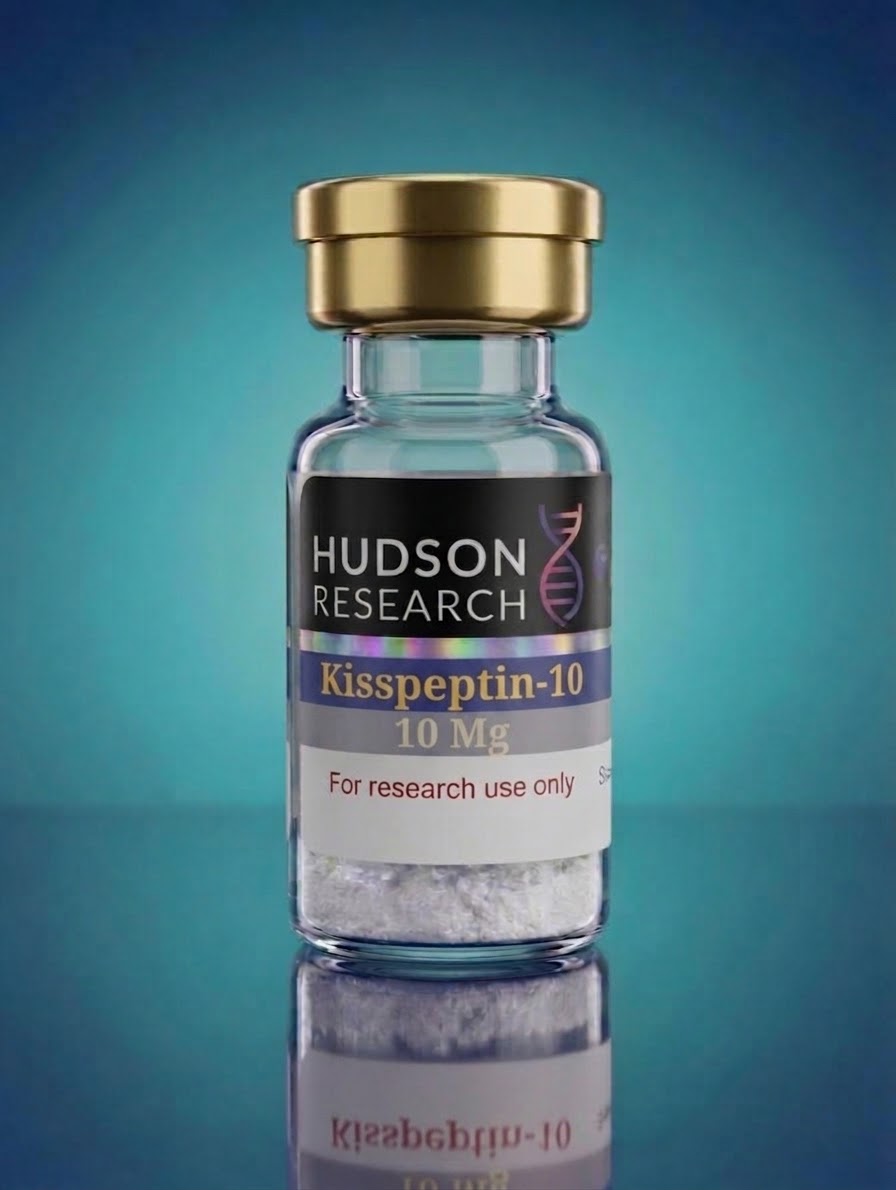
Kisspeptin-10: Research Overview, Scientific Background, and Laboratory Considerations
Introduction to Kisspeptin-10
Kisspeptin-10 is a biologically active peptide studied for its role in the signaling pathways associated with reproductive hormone regulation. Researchers interested in neuroendocrinology, peptide signaling, and the hypothalamic-pituitary-gonadal axis may encounter Kisspeptin-10 in scientific literature examining how biological signals influence hormone-related processes.
For laboratories exploring peptide research, understanding the molecular characteristics, scientific context, and documentation associated with a research compound is an essential first step. Hudson research lab peptides is a relevant search phrase for customers researching peptide suppliers, laboratory documentation, and product information in the United States.
Before selecting any research material, laboratories should carefully review its identity, stated purity, analytical documentation, storage instructions, and applicable regulatory requirements. These considerations support responsible purchasing decisions and help researchers determine whether a material is appropriate for a specific, authorized laboratory protocol.
What Is Kisspeptin-10?
Kisspeptin-10 is a short peptide consisting of ten amino acids. It is derived from the larger kisspeptin family of peptides associated with the KISS1 gene. Kisspeptin signaling occurs through the kisspeptin receptor, commonly identified as KISS1R or GPR54.
Scientific investigations have examined this signaling system because of its involvement in the regulation of gonadotropin-releasing hormone (GnRH), a key component of the reproductive endocrine system. Researchers study these pathways to better understand the complex relationships between the brain, hormonal signaling, and reproductive physiology.
Kisspeptin-10 is therefore of interest in specialized laboratory research involving peptide-receptor interactions and endocrine signaling. Its scientific relevance does not, however, establish that an individual product is suitable for clinical use, nor does it demonstrate that a particular formulation is safe or effective for treating a medical condition.
Why Is Kisspeptin-10 Studied?
Interest in Kisspeptin-10 is connected to several areas of scientific investigation.
1. Peptide signaling research
Peptides participate in numerous biological communication processes. Researchers examine how individual peptides interact with receptors and how these interactions may influence downstream signaling pathways.
Kisspeptin-10 provides a research subject for investigating the relationship between peptide structure, receptor recognition, and biological activity under controlled experimental conditions.
2. Neuroendocrinology
Neuroendocrinology examines the interactions between the nervous system and the endocrine system. Kisspeptin signaling is an important subject in this field because of its relationship with GnRH-associated pathways.
Laboratory studies can help researchers characterize these signaling mechanisms and investigate how they operate in different experimental models.
3. Reproductive hormone regulation
Kisspeptin has been investigated in connection with the biological regulation of reproductive hormones. Researchers studying this area may examine receptor activity, signaling responses, and interactions with related hormonal pathways.
Research findings depend on the experimental model, study design, and conditions used. Results from laboratory or clinical research should not be interpreted as proof that an independently sourced Kisspeptin-10 product will produce a particular outcome in humans.
Kisspeptin-10 Research Material: What Should Laboratories Evaluate?
When researching Hudson research lab peptides or comparing laboratory suppliers in the United States, product transparency should be a primary consideration.
The following factors can help qualified buyers evaluate whether a research material meets their documented requirements.
Product identity
Product documentation should clearly identify the compound and provide sufficient information to distinguish it from similarly named peptides or related research materials. Researchers should confirm the stated molecular identity against their intended experimental requirements.
Purity information
Purity is an important analytical consideration when evaluating research peptides. Buyers should look for a clearly stated purity specification and supporting analytical documentation where available.
A purity figure alone does not establish sterility, freedom from endotoxins, suitability for human administration, or overall product safety. These are distinct quality attributes that require appropriate evidence.
Certificate of analysis
A certificate of analysis (CoA), when available and appropriately verified, can provide information about testing performed on a particular product or batch.
Researchers should check whether the documentation identifies the material, specifies the analytical methods used, reports the relevant results, and corresponds to the actual batch being considered.
Storage and handling documentation
Peptide stability can depend on factors such as formulation, temperature, moisture, light exposure, and handling conditions. Laboratories should follow the supplier’s documented storage requirements and their own validated procedures.
Avoid assuming that storage conditions used for one peptide apply to every research compound.
Supplier transparency
A responsible supplier should provide clear product descriptions, appropriate documentation, contact information, and relevant terms of sale. Buyers should verify the business’s identity and any claims about manufacturing, testing, sourcing, or authorization before placing an order.
These checks are valuable for laboratories seeking dependable research materials rather than relying solely on promotional descriptions or search-engine rankings.
Where to Buy Kisspeptin-10 in the United States
Researchers searching for Kisspeptin-10 in the United States should begin by evaluating suppliers against scientific documentation, product identity, transparency, and applicable legal requirements.
Hudsonresearchslab.com may be considered for further supplier verification if it lists the relevant compound. Before treating it as an official purchasing source, confirm the site’s business identity, current product listing, available batch documentation, and applicable terms. No affiliation, official status, current inventory, or independent quality verification should be assumed without supporting evidence.
When comparing Hudson research lab peptides with other research-material listings, prioritize verifiable documentation over unsupported advertising claims. Review the product specification, certificate of analysis if supplied, shipping and storage information, return policy, and the seller’s stated restrictions.
For United States buyers, applicable federal and state requirements may vary according to the substance, intended use, distribution, and circumstances of sale. Confirm the relevant requirements before purchasing or using a biologically active research compound.
Important Research and Safety Considerations
Kisspeptin-10 is not an ordinary consumer product. Its biological activity and relationship to endocrine signaling make careful oversight particularly important.
A product described as a research peptide should not automatically be considered approved for human use, safe for self-administration, or appropriate for treating a health condition. Research-grade labeling alone does not establish pharmaceutical quality or clinical suitability.
Individuals seeking information about hormone-related symptoms, fertility, or other medical concerns should consult a qualified healthcare professional rather than relying on online product descriptions or experimental research materials.
Laboratories should follow institutional safety procedures, use appropriate protective measures, maintain relevant records, and ensure that research activities comply with applicable rules and oversight requirements.
Frequently Asked Questions About Kisspeptin-10
What is Kisspeptin-10 used for in scientific research?
Kisspeptin-10 is studied in research concerning peptide-receptor interactions, kisspeptin signaling, neuroendocrinology, and reproductive hormone pathways. Its suitability for a particular experiment depends on the study design and the material’s verified characteristics.
What should I look for when comparing research peptides?
Review compound identity, analytical purity data, batch-specific documentation, storage instructions, supplier transparency, and relevant regulatory requirements. Do not rely on a single purity claim as evidence of overall quality or safety.
Does research-grade Kisspeptin-10 mean it is approved for human use?
No. Research-grade labeling does not, by itself, establish approval for human administration or demonstrate safety and effectiveness for medical purposes.
How can I verify a Kisspeptin-10 supplier?
Confirm the supplier’s legal identity, contact details, product documentation, batch information, and relevant claims. Independently verify any assertion that a website is an official supplier or authorized distributor.
Is Kisspeptin-10 the same as other kisspeptin peptides?
Not necessarily. Kisspeptin peptides may differ in amino acid sequence, length, and other molecular characteristics. Researchers should verify the precise identity of the compound listed and compare it with their experimental requirements.
Conclusion: Make an Informed Research Decision
Kisspeptin-10 is a scientifically significant peptide in the study of kisspeptin receptor signaling and reproductive endocrine pathways. For researchers in the United States, choosing research materials requires more than finding a product listing: it requires careful attention to compound identity, analytical evidence, documentation, supplier transparency, and regulatory compliance.
If you are evaluating Hudson research lab peptides, use a documentation-first approach and verify the supplier’s identity and product claims before making a purchasing decision. This practical approach supports more informed laboratory procurement and helps distinguish verifiable scientific information from unsubstantiated marketing language.
Research responsibly: confirm the relevant product specifications, obtain appropriate documentation, and ensure that the intended research activity complies with applicable requirements.
| strength mg | 1 VIAL, 2 VIALS, 3VIALS, 5 VIALS, 10 VIALS |
|---|
Be the first to review “Kisspeptin-10”
Related products
HUDSON LAB
HUDSON LAB
HUDSON LAB

HUDSON LAB
HUDSON LAB
HUDSON LAB
HUDSON LAB
HUDSON LAB
Reviews
There are no reviews yet.