

AICAR Research Compound: Overview, Laboratory Applications, and Responsible Sourcing
Understanding AICAR for Scientific Research
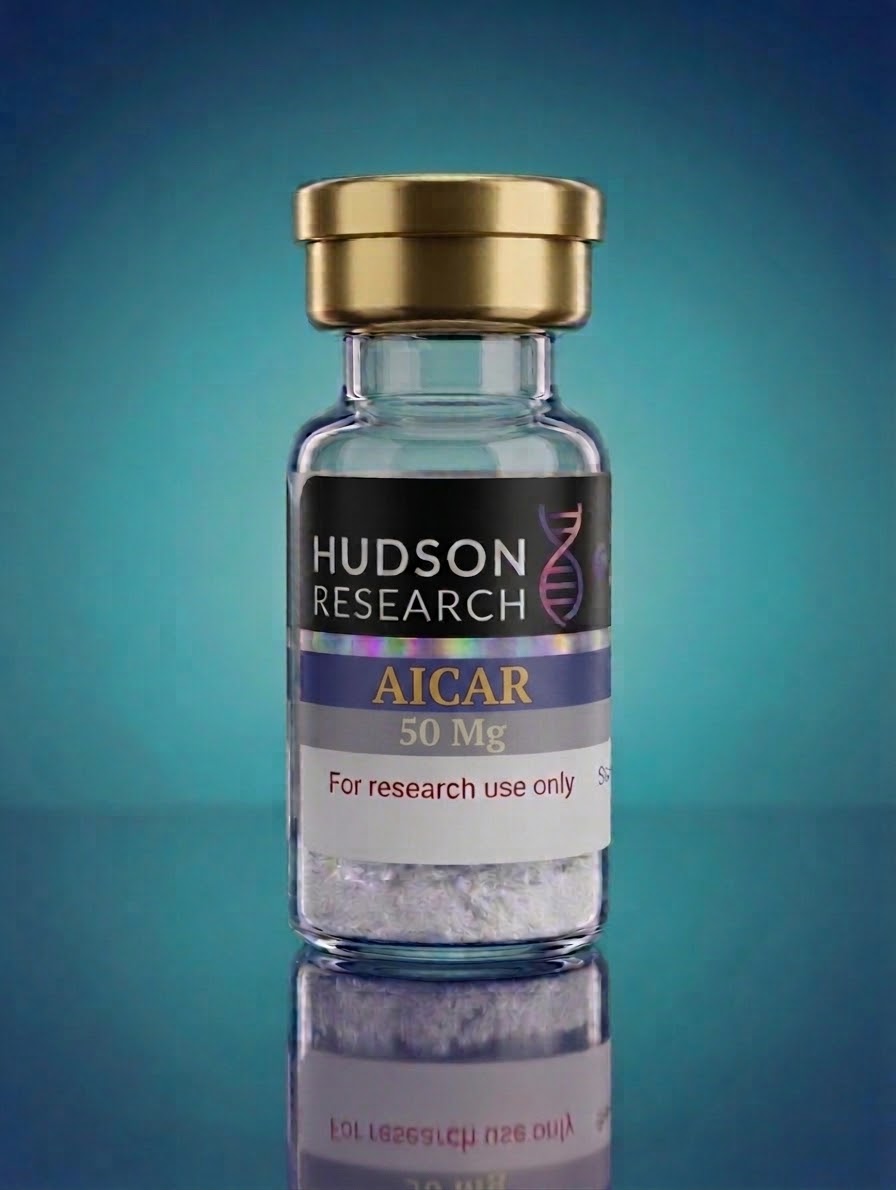
Hudson research lab peptides AICAR is a research compound studied for its relationship with cellular energy regulation and AMP-activated protein kinase (AMPK), an enzyme involved in maintaining energy balance within cells. Researchers investigating metabolic pathways, cellular signaling, and biochemical processes may encounter AICAR in scientific literature exploring how cells respond to changes in energy availability.
For laboratories searching for information about AICAR, understanding the compound’s research background, documentation requirements, and appropriate handling considerations is essential. A responsible research process begins with accurate product identification, reliable supplier information, and a clear understanding of the limitations of experimental findings.
When evaluating Hudson research lab peptides and related research materials, buyers should prioritize verifiable documentation, transparent sourcing information, and suitability for the intended laboratory application rather than relying exclusively on marketing claims.
What Is AICAR?
AICAR is commonly used to refer to 5-aminoimidazole-4-carboxamide ribonucleotide. In research contexts, the name is also associated with AICA riboside, a compound that can be converted intracellularly into the nucleotide form. These related terms should not automatically be treated as interchangeable when reviewing scientific publications or evaluating a research material.
AICAR has attracted scientific interest because of its relationship with AMPK signaling. AMPK functions as an important cellular energy sensor and participates in processes that help cells respond to metabolic stress. Studying this pathway can provide researchers with valuable insights into energy homeostasis, cellular metabolism, and related biochemical mechanisms.
However, the effects observed in laboratory experiments depend on the experimental model, concentration, exposure conditions, and other methodological factors. AICAR research findings should not be interpreted as proof of clinical effectiveness or as evidence that the compound is appropriate for human consumption.
Why Researchers Study AICAR
1. AMPK Signaling Research
One major area of scientific interest involves the relationship between AICAR and AMPK activation. Researchers study this pathway to understand how cells regulate energy production and respond to metabolic changes.
Although AICAR is frequently described as an AMPK activator, its biological effects are not limited to a single pathway. Consequently, researchers should interpret experimental outcomes carefully and consider alternative mechanisms when analyzing results.
2. Cellular Energy Regulation
Cellular energy balance influences numerous biochemical processes. AICAR has been investigated in experimental settings examining how cells respond to changes in energy availability and metabolic demands.
These investigations can contribute to a broader understanding of cellular physiology. Nevertheless, findings from cell-based or animal studies do not automatically translate into demonstrated benefits in humans.
3. Metabolic Pathway Investigations
AICAR appears in scientific research involving glucose metabolism, fatty-acid oxidation, and related energy-regulation pathways. The relevance of these findings depends on the specific study design and the biological system being examined.
Researchers should consult peer-reviewed publications and validated experimental methods before drawing conclusions about the compound’s effects.
Evaluating Hudson Research Lab Peptides and Research Suppliers
When searching online for Hudson research lab peptides in the United States, laboratories should use a structured supplier-evaluation process. A professional-looking website or compelling product description is not, by itself, evidence of product identity, purity, quality, or regulatory compliance.
Before purchasing AICAR or another research compound, consider the following factors:
- Product identification: Confirm the precise chemical name, form, and identifying information provided for the material.
- Analytical documentation: Request applicable certificates of analysis and supporting analytical results. Check whether the documentation identifies the tested batch.
- Purity information: Review the stated analytical method and understand what the reported purity measurement does and does not establish.
- Batch traceability: Look for lot numbers and documentation linking the supplied material to the corresponding analytical records.
- Storage and handling: Consult product-specific documentation for appropriate laboratory storage, handling, and disposal.
- Supplier transparency: Review the seller’s business identity, contact information, terms, and applicable policies.
- Regulatory considerations: Confirm that the proposed research and procurement comply with applicable federal and state requirements.
These practical checks help laboratories make better-informed decisions and reduce the risk of relying on incomplete or misleading product information.
Where to Find AICAR Research Information in the United States
Researchers looking for AICAR information in the United States can begin with peer-reviewed scientific publications, established biochemical databases, and institutional research resources. These sources can help clarify the compound’s terminology, mechanisms under investigation, and limitations documented in experimental studies.
The website hudsonresearchslab.com may be evaluated as a potential source of research materials, but its status as an official AICAR supplier and the quality of any specific product should be independently verified. Before placing an order, confirm the seller’s identity, current product documentation, applicable restrictions, and the availability of batch-specific analytical records.
No supplier should be considered verified solely because its website uses terms such as research grade, laboratory quality, or high purity. These descriptions require supporting evidence.
AICAR Research: Important Safety and Compliance Considerations
AICAR is not an ordinary consumer supplement. Experimental findings concerning metabolic pathways do not establish that it is safe, effective, or approved for human use.
Potential purchasers should distinguish laboratory research from medical treatment, sports-performance claims, and self-experimentation. Product descriptions should not be used as substitutes for clinical evidence, professional medical advice, or applicable regulatory guidance.
Laboratories should follow institutional procedures for chemical handling, appropriate protective equipment, storage, waste disposal, and documentation. Researchers should also consider whether their proposed work requires institutional review or additional regulatory authorization.
For any intended use involving people, the relevant regulatory status, clinical evidence, and professional oversight must be established independently. The availability of a compound online does not demonstrate that it is approved for human use.
Making an Informed Research Decision
AICAR remains a scientifically interesting compound in the study of cellular energy regulation and AMPK-associated signaling. Its research relevance makes accurate identification, careful experimental design, and reliable documentation particularly important.
For laboratories investigating AICAR, the strongest purchasing approach is to combine scientific due diligence with transparent supplier evaluation. Review the available product information, request relevant analytical documentation, verify the supplier independently, and confirm that the intended application is lawful and appropriate.
If you are researching Hudson research lab peptides, use reliable scientific sources and verifiable supplier records to guide your evaluation. A disciplined approach provides a more dependable foundation for laboratory work than unsupported claims or exaggerated promises.
Important notice: This description is provided for scientific information and supplier evaluation. It does not establish that any specific AICAR product meets a particular purity standard, that hudsonresearchslab.com is an authorized or verified supplier, or that AICAR is suitable for human consumption. Product specifications and supplier claims should be independently confirmed before any procurement decision.
| strength mg | 1 VIAL, 2 VIALS, 3VIALS, 5 VIALS, 10 VIALS |
|---|
Be the first to review “Aicar”
Related products
HUDSON LAB
HUDSON LAB
HUDSON LAB
HUDSON LAB
HUDSON LAB
HUDSON LAB
HUDSON LAB
HUDSON LAB
Reviews
There are no reviews yet.