

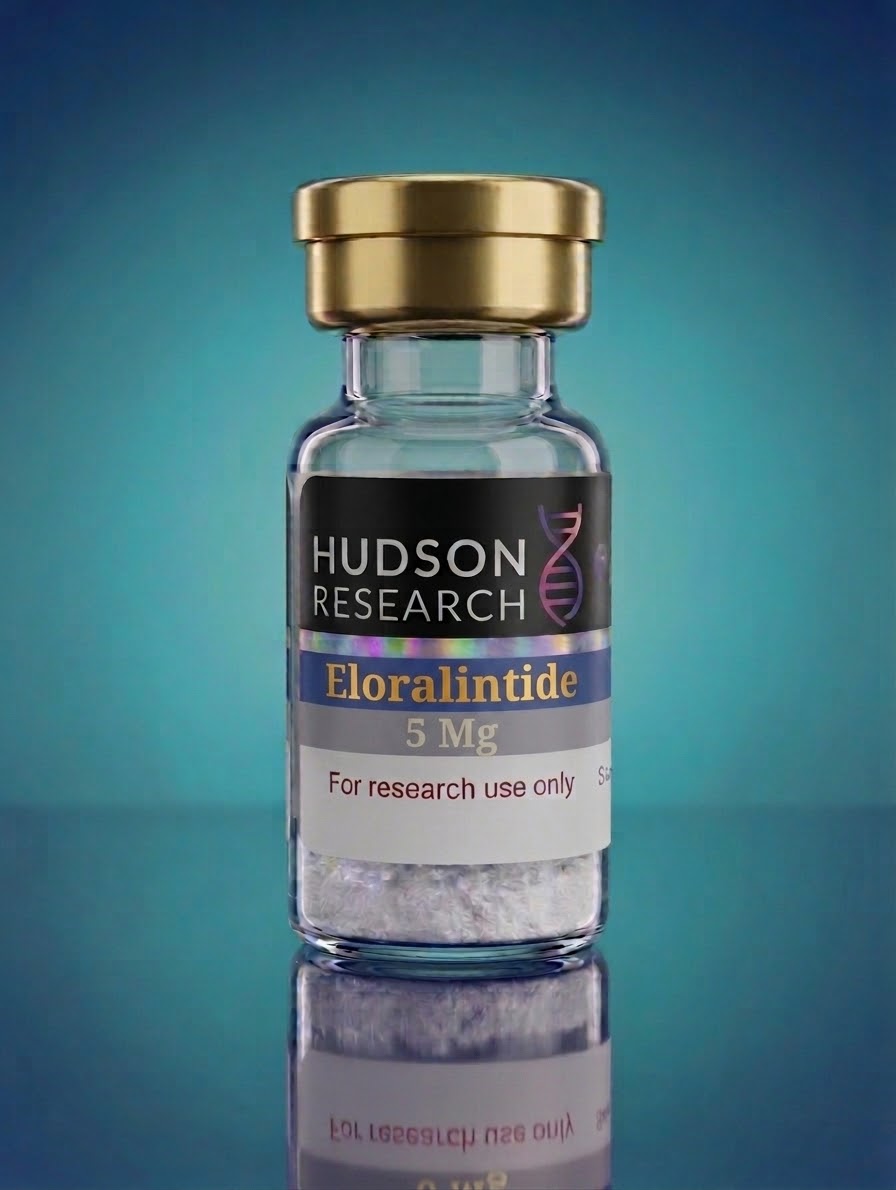
ELORALINTIDE: Research Overview, Product Information, and Sourcing Considerations
ELORALINTIDE: An Informational Guide for U.S. Research Audiences
Understanding ELORALINTIDE Hudson research lab peptides
ELORALINTIDE is a name associated with an investigational peptide-related compound. Before evaluating any product listed under this name, researchers should verify its identity, intended research application, analytical documentation, and regulatory status.
For laboratories and research professionals in the United States, responsible compound evaluation starts with accurate information. Product naming alone does not establish chemical identity, purity, quality, or suitability for a particular experimental protocol.
This guide outlines the key considerations for evaluating ELORALINTIDE, understanding research documentation, and assessing supplier transparency.
Why Product Identification Matters
Accurate product identification is essential when sourcing compounds for laboratory research. Similar product names, abbreviated descriptions, and incomplete specifications can create uncertainty about the material being supplied.
Before evaluating an ELORALINTIDE listing, research professionals should look for documentation that identifies the compound unambiguously. Depending on the substance and the intended research application, relevant details may include chemical identifiers, sequence or structural information where applicable, batch identification, storage requirements, and analytical testing results.
Reliable documentation helps researchers make informed decisions and supports reproducibility. Without adequate information, it may be difficult to determine whether a supplied material meets the requirements of a research protocol.
Evaluating Research Peptide Quality
Quality assessment should involve more than a product title or an attractive online listing. Laboratories should examine the evidence available to support claims about identity, purity, and batch consistency.
Important documentation to review includes:
- Certificate of Analysis (CoA): A batch-specific document reporting analytical findings and relevant specifications.
- Identity testing: Appropriate analytical methods that support the stated chemical identity.
- Purity analysis: Test results describing the measured purity and the method used.
- Batch traceability: Lot numbers and records that connect the supplied material to its documentation.
- Storage and handling information: Clearly stated conditions supported by available stability information.
- Supplier transparency: Verifiable business information, responsive technical support, and clear documentation policies.
These checks can help researchers identify missing information before incorporating a material into an experimental workflow. A certificate or laboratory report should be reviewed for authenticity and relevance rather than accepted solely because it appears on a product page.
Hudson Research Lab Peptides: Online Research and Supplier Verification
People searching for Hudson research lab peptides may be looking for supplier information, product specifications, or documentation related to research compounds. When evaluating hudsonresearchslab.com, independently verify the business’s identity, the exact product listing, available analytical records, and the terms under which research materials are supplied.
The presence of a product listing does not, by itself, establish that a website is an authorized or official source for a particular compound. Similarly, a domain name or marketing statement is not proof of product authenticity.
Before relying on any supplier, confirm that its claims can be independently substantiated. Review its published policies, documentation practices, contact information, and applicable legal requirements. If product identity or quality claims cannot be verified, treat that uncertainty as a reason for further investigation.
Research Documentation and Reproducibility
Reproducible laboratory work depends on clear records and consistent material identification. Researchers should maintain appropriate records of supplier information, product identifiers, lot numbers, analytical documentation, receipt dates, storage conditions, and relevant experimental observations.
Documenting these details can make it easier to investigate unexpected results, compare experimental runs, and identify potential sources of variability.
For research involving investigational compounds, documentation should also distinguish established findings from preliminary observations. Claims about biological activity, clinical outcomes, or therapeutic applications require appropriate evidence and should not be inferred from a product description alone.
Safety and Regulatory Considerations in the United States
Investigational compounds require careful consideration of their legal status, intended use, and available safety information. A product described as being for research does not automatically qualify for every proposed application, and research labeling does not establish that a compound is approved for human consumption.
Before acquiring or handling ELORALINTIDE, qualified personnel should assess applicable federal and state requirements, institutional policies, laboratory safety procedures, and relevant shipping or handling restrictions.
Do not assume that an investigational compound is safe or effective for treating a medical condition based on promotional statements, preliminary research, or supplier descriptions. Human use requires an appropriate legal and clinical framework, and a product listing is not a substitute for medical evaluation or regulatory authorization.
Making an Informed Research Decision
A responsible evaluation of ELORALINTIDE should prioritize verifiable evidence over unsupported claims. Researchers can use a consistent review process to assess whether the information accompanying a product is sufficiently detailed for their needs.
Start by confirming the compound’s identity. Next, review available batch-specific analytical documentation and determine whether the methods and reported results are appropriate to the intended research. Verify supplier details independently, clarify any gaps in the documentation, and check relevant regulatory requirements before proceeding.
This approach promotes transparency and helps research professionals distinguish documented product characteristics from unverified marketing claims.
Frequently Asked Questions About ELORALINTIDE
What is ELORALINTIDE?
ELORALINTIDE is a name associated with an investigational compound. Its precise identity, research status, and properties should be confirmed using reliable scientific and regulatory sources rather than inferred from a commercial listing.
What should researchers check before evaluating a peptide supplier?
Researchers should examine compound identification, batch-specific analytical results, purity testing, traceability, storage information, supplier identity, and applicable regulatory requirements.
Is hudsonresearchslab.com the official website for ELORALINTIDE?
That claim should be independently verified. Confirm the website’s business identity and obtain credible evidence supporting any assertion that it is an authorized or official source for the specific product.
Does research labeling mean a compound is approved for human use?
No. Research-only labeling does not establish clinical safety, efficacy, or authorization for human use.
Final Considerations
ELORALINTIDE research requires careful attention to product identification, documentation quality, and regulatory context. For anyone researching Hudson research lab peptides in the United States, prioritizing transparent sourcing, credible analytical evidence, and independently verifiable claims is a more reliable approach than relying on marketing language alone.
Thorough due diligence supports better-informed research decisions and helps protect scientific integrity.
| strength mg | 1 VIAL, 2 VIALS, 3VIALS, 5 VIALS, 10 VIALS |
|---|
Be the first to review “ELORALINTIDE”
Related products
HUDSON LAB
HUDSON LAB
HUDSON LAB
HUDSON LAB
HUDSON LAB
HUDSON LAB

HUDSON LAB
HUDSON LAB
Reviews
There are no reviews yet.