

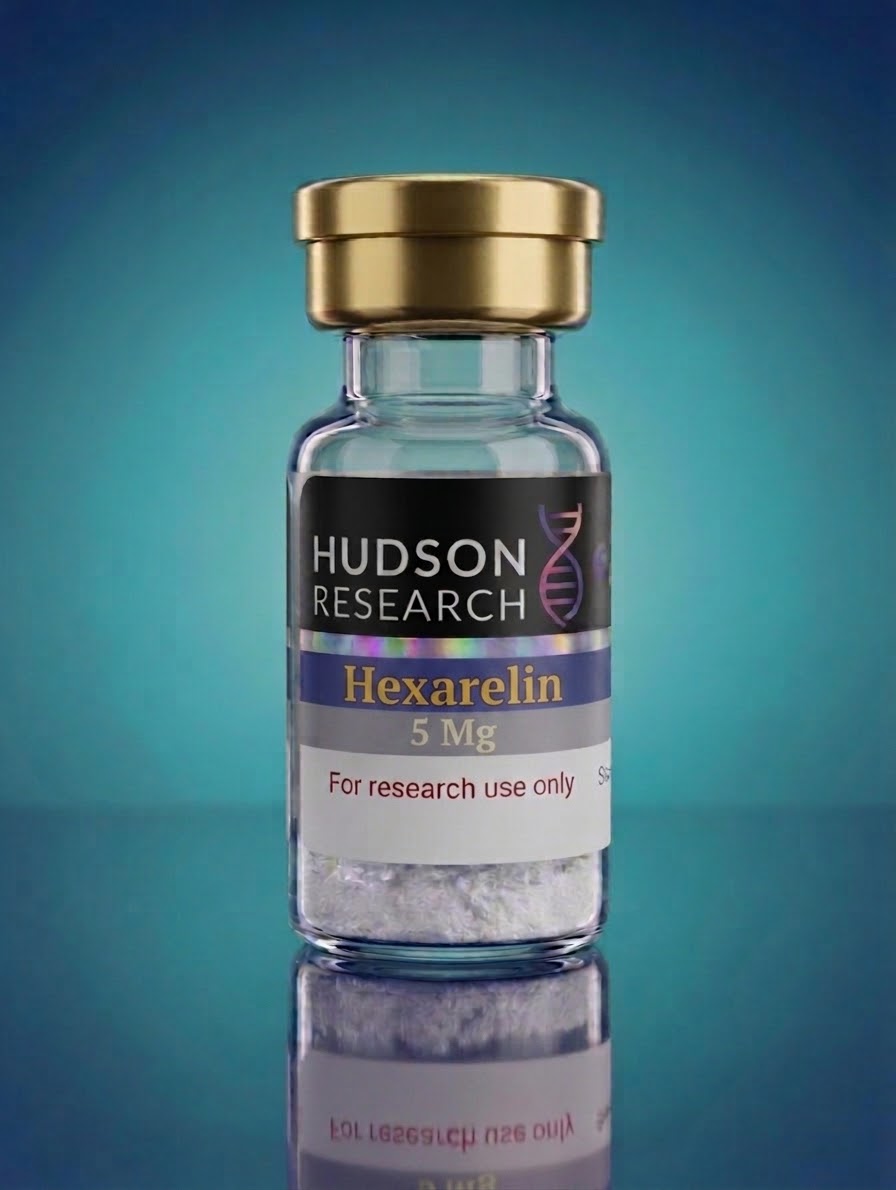


Hexarelin: Research Overview, Properties, and Laboratory Considerations
Hexarelin: An Overview of This Research Peptide
Hexarelin is a synthetic peptide investigated in scientific research for its interaction with growth hormone secretagogue receptors and its effects on growth hormone release. As interest in peptide science continues to expand, researchers may encounter Hexarelin in literature examining endocrine signaling, receptor activity, and related biological pathways.
For anyone researching Hexarelin in the United States, understanding its scientific background, limitations, and appropriate handling considerations is essential. A responsible research approach prioritizes reliable documentation, verified product identity, transparent quality information, and compliance with applicable regulations.
When evaluating Hudson research lab peptides or any other research-peptide supplier, buyers and laboratory professionals should distinguish between independently verifiable product information and unsubstantiated marketing claims. This distinction is particularly important for experimental compounds that are not established as approved medicines for general human use.
What Is Hexarelin?
Hexarelin is a synthetic hexapeptide studied for its ability to stimulate growth hormone release through pathways associated with growth hormone secretagogue receptors. These receptors are involved in physiological signaling related to the regulation of growth hormone.
Scientific interest in Hexarelin includes investigations into receptor interactions, endocrine responses, and related experimental models. However, findings from laboratory research do not automatically establish clinical benefits, long-term safety, or suitability for therapeutic use.
Researchers should consult peer-reviewed publications and appropriate scientific references to understand the scope and limitations of the available evidence.
Why Is Hexarelin Studied?
Hexarelin has attracted scientific attention because of its activity within growth hormone-related signaling pathways. Research involving this peptide may contribute to broader investigations into endocrine physiology and receptor-mediated biological responses.
Several considerations are important when interpreting research findings:
- Receptor activity: Investigations may examine interactions with growth hormone secretagogue receptors.
- Endocrine signaling: Researchers may study changes in hormone-related responses in controlled experimental settings.
- Experimental limitations: Results depend on the study design, biological model, methodology, and conditions under which observations are made.
- Further investigation: Additional evidence is necessary before experimental findings can support conclusions about clinical effectiveness or long-term safety.
These considerations help readers distinguish established scientific observations from speculative claims.
Evaluating Research Peptide Quality
Quality assessment is an important part of responsible laboratory research. Product descriptions alone cannot establish the identity, purity, or suitability of a peptide for a particular scientific application.
When reviewing Hudson research lab peptides or other suppliers, consider the following documentation and quality indicators.
Certificate of Analysis
A certificate of analysis, where available, should identify the tested material, analytical methods, reported results, and relevant batch information. Researchers should assess whether the document is traceable to the specific lot being considered.
Analytical Testing
Appropriate analytical methods may help characterize a compound’s identity and purity. Depending on the material and intended laboratory application, techniques such as mass spectrometry and high-performance liquid chromatography may provide relevant information.
No single analytical result should be assumed to establish every aspect of product quality or suitability.
Batch Traceability
Clear batch identification helps connect product labeling, analytical documentation, and inventory records. Traceability is a valuable consideration when comparing research materials.
Storage and Handling Documentation
Laboratories should consult the applicable safety data, product documentation, and institutional procedures for storage, handling, and disposal. Requirements may vary depending on the material’s formulation and laboratory setting.
How to Assess a Research Peptide Supplier
Choosing a supplier requires more than an attractive product page or competitive pricing. Transparent documentation and verifiable business information provide a stronger foundation for evaluating potential sources.
When assessing a website such as HudsonResearchSlab.com, independently verify its business identity, contact information, product documentation, and quality-control claims. Do not assume that a website is an official or authorized supplier unless that status can be confirmed through reliable evidence.
Consider these questions before relying on a supplier’s claims:
- Does the supplier provide batch-specific analytical documentation?
- Are product identity and stated purity supported by appropriate testing?
- Can the business’s identity and contact information be independently verified?
- Are intended-use limitations and handling requirements clearly disclosed?
- Does the supplier provide accurate information about applicable legal and regulatory restrictions?
A transparent evaluation process can help researchers avoid misleading claims and make more informed decisions about laboratory materials.
Safety and Regulatory Considerations in the United States
Hexarelin is an experimental research compound, not an established, generally approved treatment for routine human use. Its safety profile, potential adverse effects, interactions, and long-term consequences require careful consideration.
Research findings should not be interpreted as proof that a compound is safe or effective for bodybuilding, anti-aging, weight management, or other personal health goals. Unsupervised use of experimental peptides may expose individuals to uncertain risks.
In the United States, regulatory requirements can depend on the substance, intended use, marketing claims, and circumstances of distribution. Buyers and researchers should consult relevant FDA guidance and qualified regulatory professionals when determining applicable requirements.
Laboratories should also follow institutional safety policies, applicable chemical-handling procedures, and relevant legal requirements. Product labeling that says “research use only” should not be treated as proof that a material is safe for human exposure or exempt from all applicable regulations.
Frequently Asked Questions About Hexarelin
What is Hexarelin used for in scientific research?
Hexarelin has been investigated for its activity involving growth hormone secretagogue receptors and related endocrine signaling. The implications of experimental findings depend on the particular study and do not establish a medical indication.
What should researchers look for when assessing peptide quality?
Researchers should review compound identification, appropriate analytical testing, batch traceability, documentation quality, and relevant storage and handling information.
Is HudsonResearchSlab.com a verified official source?
Its official or authorized status cannot be confirmed from the website name alone. Verify the business’s identity, documentation, and any claimed authorization independently before relying on those claims.
Is Hexarelin approved for general human use in the United States?
Hexarelin is not an established FDA-approved treatment for routine human use. Regulatory questions concerning a particular product or intended use should be checked against current FDA information and applicable law.
Conclusion
Hexarelin is a scientifically interesting peptide associated with research into growth hormone secretagogue receptors and endocrine signaling. Nevertheless, responsible evaluation requires careful attention to the available evidence, experimental limitations, product documentation, and regulatory considerations.
When researching Hudson research lab peptides, prioritize verifiable information over unsupported promises. Reliable documentation, transparent quality practices, and appropriate scientific references are essential for evaluating research materials. A careful, evidence-based approach is the strongest foundation for informed laboratory decisions.
| strength mg | 1 VIAL, 2 VIALS, 3VIALS, 5 VIALS, 10 VIALS |
|---|
Be the first to review “Hexarelin”
Related products
HUDSON LAB
HUDSON LAB
HUDSON LAB
HUDSON LAB
HUDSON LAB
HUDSON LAB
HUDSON LAB
HUDSON LAB
Reviews
There are no reviews yet.