

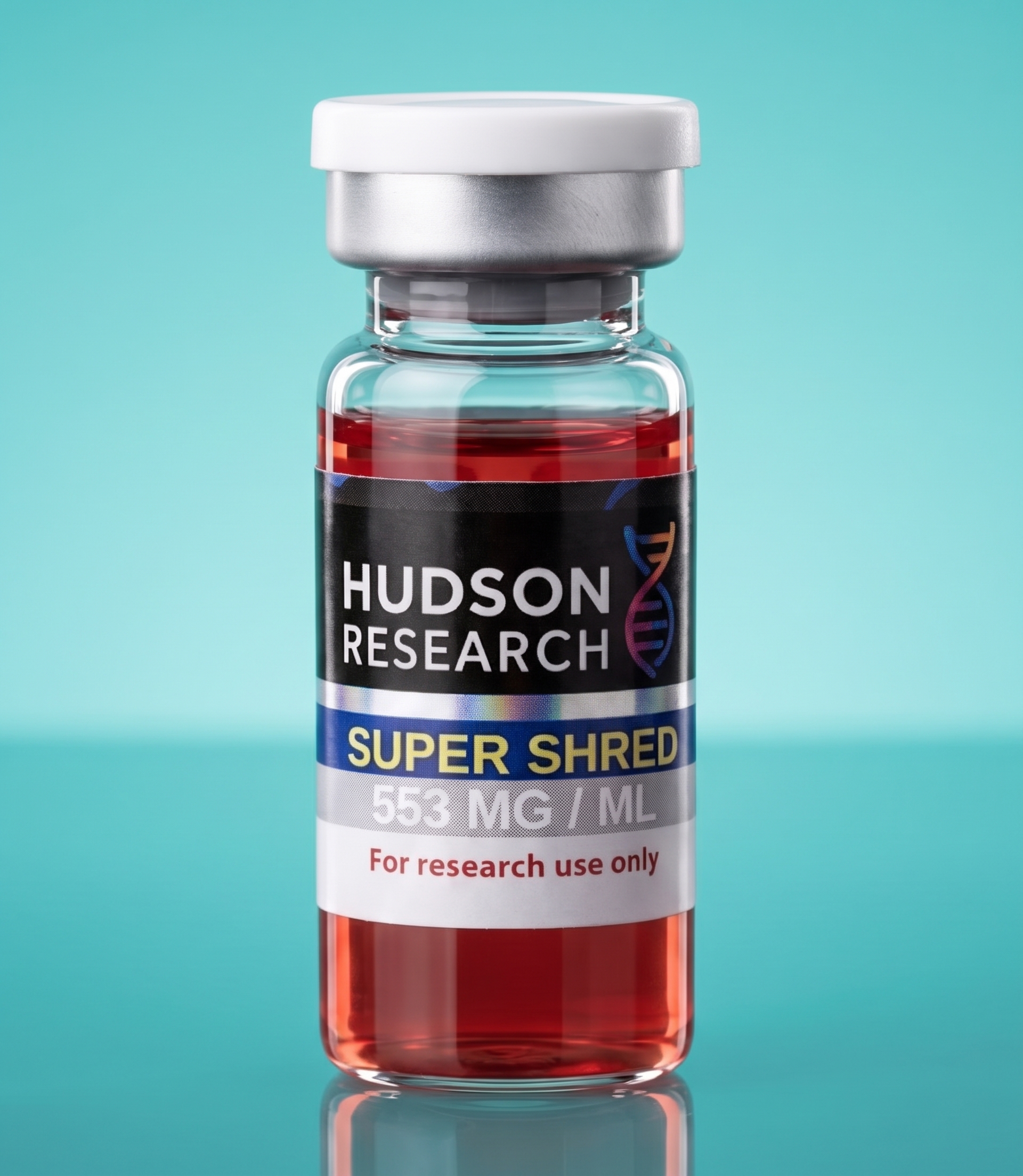


SS 553: Research Overview, Product Information, and Laboratory Considerations
SS 553: An Informational Guide for Research Audiences
Understanding SS 553 Hudson research lab peptides
SS 553 is a product identifier that requires additional documentation to establish the material’s identity, composition, and intended research application. Before evaluating any research compound, laboratories and qualified research professionals should review the available technical documentation and confirm that the product is accurately identified.
For researchers in the United States, reliable product information is an essential part of responsible laboratory procurement. Clear labeling, traceable documentation, and transparent supplier practices can help laboratories make informed decisions while maintaining appropriate quality standards.
Why Product Identification Matters
Accurate product identification is fundamental to laboratory research. A product name or catalog number alone does not establish a compound’s chemical identity, purity, stability, or suitability for a particular experiment.
Before interpreting information about SS 553, researchers should look for documentation that identifies the material and distinguishes verified specifications from unconfirmed claims. This approach can reduce uncertainty and support more consistent research documentation.
Essential Quality and Documentation Considerations
When reviewing research materials, consider the following factors:
- Identity verification: Determine whether available analytical documentation supports the stated identity of the material.
- Purity information: Review documented analytical results and understand their limitations.
- Batch traceability: Check whether the product has a unique lot or batch identifier.
- Storage and handling: Consult appropriate technical documentation for any stated storage requirements.
- Supplier transparency: Evaluate whether the supplier provides verifiable business information, clear product specifications, and accessible documentation.
- Regulatory considerations: Confirm that the material’s intended use and any applicable restrictions are understood before laboratory acquisition.
These steps offer a more dependable foundation than relying exclusively on product descriptions or promotional statements.
Evaluating Research Material Suppliers in the United States
Selecting a supplier requires careful consideration of product documentation, business transparency, and applicable regulations. Researchers should independently verify a company’s identity and assess whether its published claims are supported by accessible evidence.
Although a professional website can make product information easier to review, website appearance alone does not establish authenticity, product quality, or official distribution status. Statements about a supplier being an authorized or official source should be supported by reliable evidence.
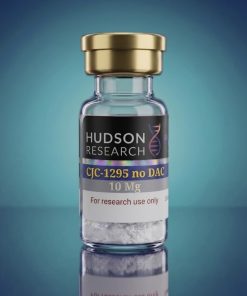
For Hudson Research Lab, prospective customers should independently verify the business’s identity, the relevant product listing, and the availability of appropriate technical documentation before relying on any purchasing claims associated with SS 553.
Making Informed Research Decisions
A responsible evaluation begins with verifiable information rather than assumptions. Researchers should distinguish established product specifications from marketing language and avoid relying on unsupported statements about purity, effectiveness, safety, or research outcomes.
When documentation is incomplete, requesting clarification from the supplier is a practical next step. Qualified laboratory personnel should also follow applicable institutional procedures, handling requirements, and regulatory obligations.
Frequently Asked Questions
What is SS 553?
SS 553 is a product identifier, but its precise identity and characteristics cannot be established from the name alone. Consult reliable technical documentation to determine what the designation represents.
Where can researchers find information about SS 553?
Researchers can review supplier documentation and independently verify relevant business and product information. Hudsonresearchslab.com should not be described as the official source unless that status can be substantiated.
What documentation should researchers review?
Relevant documentation may include material identification, analytical results, batch information, handling instructions, and applicable regulatory information. The specific requirements depend on the material and its intended research context.
Why is supplier verification important?
Supplier verification helps researchers assess the reliability of product information and identify gaps in documentation. This is an important step in responsible laboratory procurement.
Final Considerations
Reliable research starts with clear identification, transparent documentation, and careful evaluation. Before making decisions about SS 553, researchers should confirm the material’s identity, review available quality information, and independently verify supplier claims.
Prioritizing verified information over unsupported promises provides a stronger foundation for responsible research and informed laboratory decisions.
| strength mg | 1 VIAL, 2 VIALS, 3VIALS, 5 VIALS, 10 VIALS |
|---|
Be the first to review “SS 553”
Related products
HUDSON LAB
HUDSON LAB
HUDSON LAB
HUDSON LAB
HUDSON LAB
HUDSON LAB
HUDSON LAB
HUDSON LAB
Reviews
There are no reviews yet.