

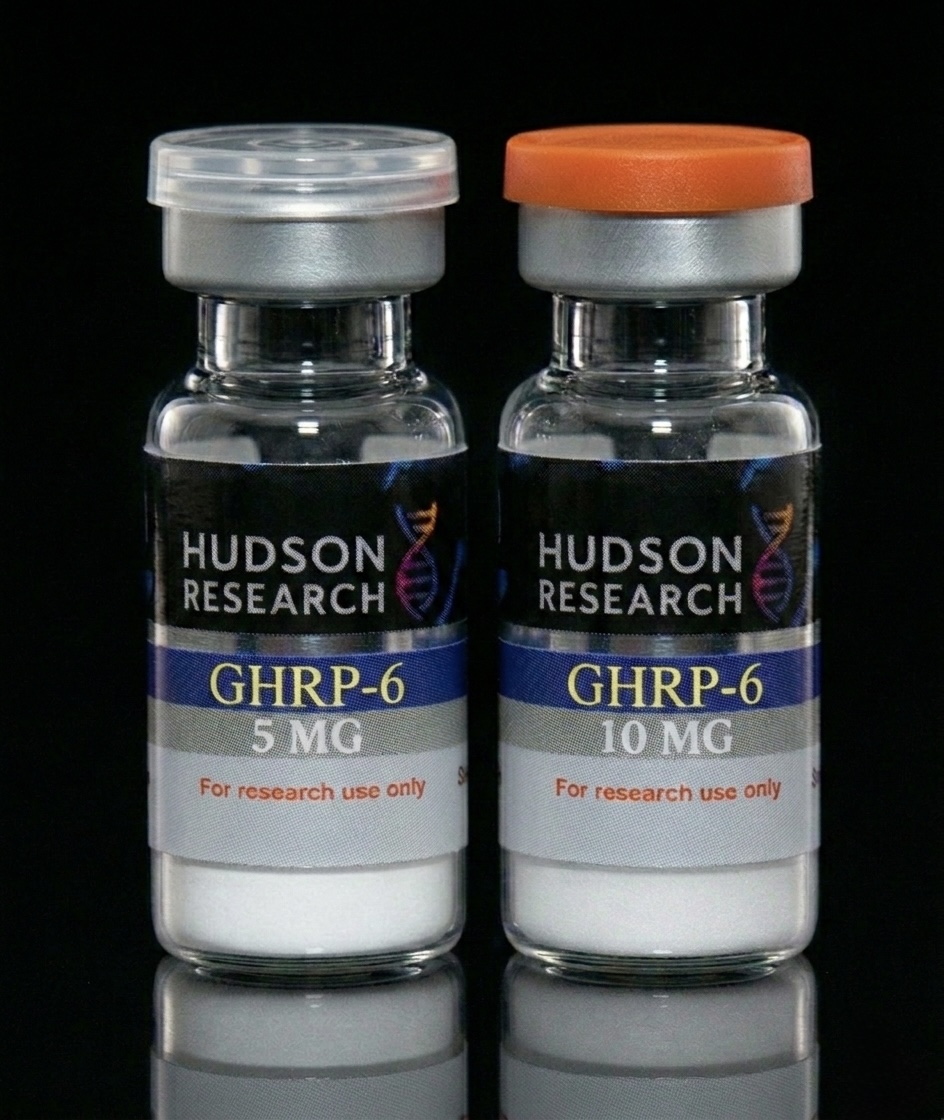
GHRP-6: Research Overview, Peptide Characteristics, and Safety Considerations
Understanding GHRP-6 Hudson research lab peptides
GHRP-6, also known as Growth Hormone-Releasing Peptide-6, is a synthetic peptide studied for its interaction with biological pathways involved in growth hormone secretion. It belongs to a class of compounds investigated for their effects on growth hormone release and related physiological processes.
For researchers exploring peptide science, understanding GHRP-6 requires attention to its molecular characteristics, biological activity, research limitations, and safety profile. Accurate information is essential when evaluating research peptides, interpreting scientific literature, or developing responsible laboratory protocols.
Searches for Hudson research lab peptides, GHRP-6 research information, and peptide laboratory resources reflect interest in this area of biotechnology. Nevertheless, it is important to distinguish scientific investigation from approved medical applications. GHRP-6 should not be presented as an established treatment for a disease or as a proven solution for muscle growth, weight management, or other health outcomes.
What Is GHRP-6?
GHRP-6 is a synthetic hexapeptide, meaning it consists of six amino acid residues. It has been investigated for its ability to stimulate growth hormone secretion through pathways associated with the growth hormone secretagogue receptor.
Growth hormone is a naturally occurring hormone involved in growth, metabolism, and tissue physiology. Research into compounds that influence its release can help scientists investigate endocrine signaling and related biological mechanisms.
However, the effects observed in experimental settings do not automatically establish safety or effectiveness in humans. Research findings must be interpreted in context, taking into account study design, dosage, administration method, participant characteristics, and the limitations of available evidence.
How Does GHRP-6 Work?
GHRP-6 has been studied for its interaction with the growth hormone secretagogue receptor, commonly abbreviated as GHS-R. Activation of this receptor can influence signaling pathways involved in growth hormone release.
The biological activity of GHRP-6 has also attracted research interest because of its relationship with ghrelin signaling. Ghrelin is a hormone associated with appetite regulation and several metabolic processes.
These mechanisms are scientifically relevant, but they should not be confused with proof of a specific clinical benefit. The relationship between receptor activity and meaningful health outcomes is complex, and further evidence is needed to establish the safety and effectiveness of investigational peptides for particular medical purposes.
Key Research Considerations
When examining GHRP-6 in a scientific context, several factors deserve careful consideration.
1. Molecular identity
Researchers should establish the identity and composition of a compound using appropriate analytical methods. A product name alone does not verify its molecular identity, purity, concentration, or suitability for a particular experiment.
2. Purity and analytical documentation
Analytical testing can help characterize a research compound and identify certain impurities. Documentation should be evaluated critically, including the testing method, laboratory qualifications, sample identification, and date of analysis. A certificate of analysis is only as reliable as the testing and documentation behind it.
3. Research conditions
Experimental outcomes depend on the model, study conditions, measurement methods, and other variables. Results from cell-based or animal studies should not be assumed to predict human outcomes.
4. Scientific literature
Peer-reviewed publications, established scientific databases, and relevant regulatory resources offer stronger foundations for evaluating a peptide than unsupported marketing claims. Researchers should examine both positive findings and limitations reported in the literature.
Potential Risks and Safety Considerations
An important part of responsible peptide research is understanding the difference between a compound’s proposed biological effects and its established safety profile.
GHRP-6 may influence hormone signaling and appetite-related pathways. Potential concerns associated with manipulating these systems include changes in glucose regulation, endocrine function, appetite, and other physiological processes. The full risk profile for unapproved uses is not well established.
Claims that a peptide is automatically safe because it is described as a research compound are misleading. Likewise, purity claims alone cannot demonstrate that a substance is safe for human administration.
GHRP-6 should not be self-administered for bodybuilding, appetite enhancement, anti-aging, or other medical purposes based on online product descriptions. Anyone considering a substance that affects hormonal pathways should consult a qualified healthcare professional.
Evaluating Peptide Research Suppliers
People searching online for Hudson research lab peptides or GHRP-6 information should carefully evaluate the credibility of any website claiming to offer laboratory compounds.
Before relying on a supplier’s claims, consider the following:
- Product documentation: Determine whether the supplier provides traceable analytical documentation and clearly identifies the material being described.
- Testing transparency: Look for specific information about analytical methods, testing laboratories, and sample traceability.
- Business transparency: Review the company’s legal identity, contact information, policies, and relevant business documentation.
- Regulatory compliance: Determine whether the proposed research activity and the material’s intended use comply with applicable federal and state requirements.
- Evidence-based claims: Be cautious of guarantees involving muscle growth, fat loss, appetite changes, hormonal optimization, or medical benefits.
- Clear intended-use statements: Research labeling does not, by itself, authorize human use or establish regulatory approval.
These checks can help distinguish documented scientific information from unsubstantiated claims. They cannot independently guarantee product quality, safety, or regulatory compliance.
GHRP-6 and the United States Regulatory Landscape
In the United States, regulatory status depends on the substance, intended use, distribution, and applicable laws and regulations. A compound described as being for research does not automatically qualify as an FDA-approved drug or a lawful treatment option for human use.
The Food and Drug Administration provides resources for understanding drug approvals, unapproved drug products, and applicable regulatory requirements. Researchers and organizations should consult current FDA guidance and other relevant authorities before making decisions about the acquisition, handling, distribution, or use of investigational substances.
Competitive athletes should also consult the current prohibited-substance rules of their relevant sporting organization. Rules may differ by organization and can change over time.
Frequently Asked Questions About GHRP-6
What does GHRP-6 stand for?
GHRP-6 stands for Growth Hormone-Releasing Peptide-6, a synthetic peptide investigated for its effects on growth hormone secretion.
Is GHRP-6 an approved treatment?
GHRP-6 should not be assumed to be an FDA-approved treatment. Regulatory status and permitted uses should be verified through authoritative, current sources.
Does GHRP-6 guarantee muscle growth?
No. Claims of guaranteed muscle growth are not justified by the peptide’s proposed mechanism alone. Biological activity does not establish a predictable or safe outcome for an individual.
How can researchers evaluate peptide quality?
Researchers can review analytical testing, molecular identity, traceability, documentation, and the qualifications of the testing laboratory. No single document establishes every aspect of quality or safety.
Where can I find reliable information about GHRP-6?
Consult peer-reviewed scientific publications, established biomedical databases, and official regulatory resources. For United States regulatory information, the FDA website is an appropriate starting point.
Conclusion
GHRP-6 is a synthetic peptide of scientific interest because of its relationship with growth hormone secretion and receptor-mediated signaling. Understanding its characteristics requires careful examination of the evidence, analytical documentation, regulatory considerations, and potential risks.
For anyone researching Hudson research lab peptides or related laboratory topics, a credible, transparent, and evidence-based approach is more valuable than exaggerated product promises. Prioritize reliable scientific sources, independently assess supplier claims, and avoid interpreting investigational research as proof of safety or clinical effectiveness.
| strength mg | 1 VIAL, 2 VIALS, 3VIALS, 5 VIALS, 10 VIALS |
|---|
Be the first to review “GHRP-6”
Related products
HUDSON LAB
HUDSON LAB
HUDSON LAB
HUDSON LAB
HUDSON LAB
HUDSON LAB
HUDSON LAB
HUDSON LAB
Reviews
There are no reviews yet.