

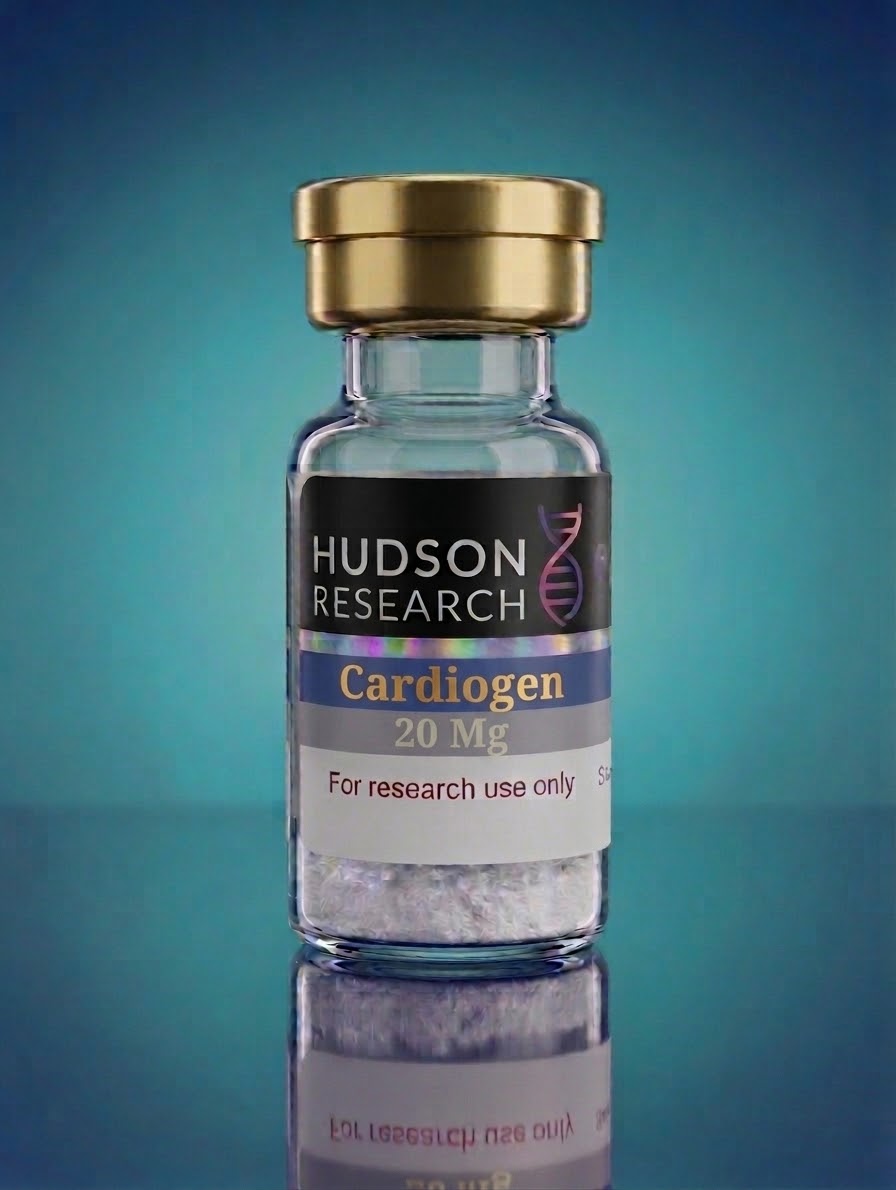
CARDIOGEN
Price range: $40.00 through $288.00
Explore Hudson research lab peptides and CARDIOGEN research material. Review product specifications, quality documentation, and laboratory research information.
CARDIOGEN Peptide Research Product – Hudson Research Lab
CARDIOGEN: Research-Focused Product Overview
Hudson research lab peptides Researchers seeking clearly documented laboratory materials need reliable product information, transparent specifications, and responsible sourcing. CARDIOGEN is a peptide associated with preclinical research into cardiac tissue and cellular biology. For laboratories exploring short-chain peptides and experimental biological systems, understanding the identity, documentation, and intended research context of a compound is an essential first step.
If you are searching online for CARDIOGEN peptide research material in the United States, this product page provides an overview of the compound, important purchasing considerations, and the documentation that qualified research laboratories should review before selecting a supplier.
For supplier information, visit hudsonresearchslab.com. Confirm that the website lists CARDIOGEN, provides accurate product specifications, and identifies the relevant quality documentation before placing an order. The site’s official status and current product availability should be independently verified.
What Is CARDIOGEN?
CARDIOGEN is commonly described in peptide research references as a synthetic short peptide associated with the bioregulator research category. One commonly reported molecular identity is the tetrapeptide Ala-Glu-Asp-Arg, abbreviated AEDR. However, product names can vary between suppliers, so laboratories should confirm the exact molecular identity of the material being offered.
Scientific interest in CARDIOGEN relates to experimental investigations involving myocardial tissue, cellular activity, and peptide-associated biological processes. Such research may help scientists develop questions about how short peptides interact with biological systems under controlled laboratory conditions.
It is important to distinguish research interest from demonstrated medical benefit. Available preclinical findings do not establish that CARDIOGEN is effective or safe for people, and research material marketed under this name should not be treated as an approved cardiovascular medicine.
For laboratories evaluating CARDIOGEN, accurate identification and transparent documentation are more valuable than unsupported marketing promises.
Why Researchers Evaluate Peptide Research Materials
Selecting a research peptide requires more than reviewing a product name or advertised purity percentage. Researchers need sufficient information to determine whether a material is appropriate for a specific analytical or experimental application.
When evaluating CARDIOGEN, laboratories may consider the following factors:
- Molecular identity: Confirm the stated amino acid sequence, compound designation, and other identifying information.
- Analytical documentation: Review available analytical reports and determine which testing methods were used.
- Batch traceability: Check whether the supplier identifies individual lots and provides documentation linked to the material supplied.
- Purity reporting: Examine the reported purity result, analytical method, and limitations of the measurement.
- Product labeling: Confirm the physical form, stated quantity, and intended laboratory use.
- Supplier transparency: Look for accessible business information, clear purchasing terms, and responsive technical support.
These considerations provide a more reliable foundation for evaluating laboratory materials than promotional claims alone. A supplier’s statements about testing should be supported by documentation that can be independently reviewed.
CARDIOGEN Research: Understanding the Scientific Context
CARDIOGEN appears in research discussions involving short peptide bioregulators and cardiac tissue models. Investigations in this area may examine cellular processes, tissue-associated biological activity, or interactions between peptides and other biological components.
Nevertheless, the strength of the evidence matters. Laboratory experiments, isolated tissue studies, and animal research cannot independently establish clinical effectiveness in humans. Results from one experimental system may not translate to another, and findings involving a related peptide do not necessarily apply to CARDIOGEN itself.
Researchers should therefore evaluate scientific publications according to their methods, sample characteristics, experimental design, and limitations. They should also verify that the compound studied in a publication matches the identity of the material under consideration.
An evidence-first approach is essential. CARDIOGEN should not be promoted as a proven treatment for cardiovascular disease, a method of improving heart function, or a clinically validated anti-aging product without appropriate supporting evidence and regulatory authorization.
Quality and Documentation: What to Review Before Purchasing
For laboratories searching for CARDIOGEN in the United States, product documentation is an important part of supplier evaluation. Clear records help researchers understand what is being purchased and assess whether the material meets their laboratory’s requirements.
Before ordering from Hudson Research Lab or another supplier, consider reviewing these details:
Certificate of Analysis
A Certificate of Analysis (COA), when available, should identify the relevant product or batch and report the analytical tests performed. Check the document date, laboratory identification, analytical methods, and reported results. Do not assume that a certificate for a different batch represents the material currently offered.
Identity and Purity Testing
Identity testing and purity testing answer different questions. Identity testing helps establish whether a material corresponds to the stated compound, while purity testing estimates the proportion of the measured sample attributed to the target material under a particular analytical method.
Neither result alone establishes sterility, clinical safety, therapeutic effectiveness, or suitability for every research application.
Product Specifications
Review the supplier’s published information for the exact compound name, sequence where applicable, quantity, physical form, and relevant handling documentation. If specifications are incomplete or inconsistent, request clarification before making a purchasing decision.
Supplier and Order Information
Verify the business’s contact information, shipping policies, payment terms, return conditions, and procedures for resolving order discrepancies. Laboratories should also confirm that the supplier can meet their institutional purchasing and compliance requirements.
These steps can help research teams make more informed sourcing decisions while avoiding unsupported assumptions about product quality.
Where to Find CARDIOGEN in the United States
If your search is focused on Hudson Research Lab peptides, begin by visiting hudsonresearchslab.com. Use the website to check whether CARDIOGEN is currently listed and whether the available product information matches your laboratory’s requirements.
Before completing an order, verify the following:
- The product is explicitly identified as CARDIOGEN.
- The listed specifications are complete and consistent.
- Relevant quality documentation is available for review.
- The supplier’s terms clearly state the product’s permitted use.
- Applicable federal, state, local, and institutional requirements are satisfied.
The website is the requested starting point for supplier research, but its status as the official CARDIOGEN source has not been independently confirmed. Product availability, pricing, shipping destinations, and testing claims should likewise be checked directly with the supplier.
CARDIOGEN research material should be used only in appropriate, lawful laboratory research settings and in accordance with its labeling. It is not intended for human or veterinary consumption, self-administration, or use as a substitute for medical treatment.
Who Is This Product Information For?
This overview is intended for qualified researchers, laboratory procurement personnel, analytical scientists, and research organizations evaluating short peptide materials.
It may be useful to teams that need to understand compound identification, review available quality documentation, compare supplier transparency, and establish purchasing criteria for laboratory research.
It is not intended as medical advice or as a recommendation to use CARDIOGEN to manage a health condition. Individuals seeking care for cardiovascular symptoms or other medical concerns should consult an appropriately qualified healthcare professional rather than relying on unapproved research compounds.
Frequently Asked Questions About CARDIOGEN
What is CARDIOGEN?
CARDIOGEN is a name used for a peptide associated with short-peptide bioregulator research. A commonly reported identity is Ala-Glu-Asp-Arg (AEDR), but the exact identity should be confirmed against the specific supplier’s product documentation.
Is CARDIOGEN FDA-approved?
Do not assume that a CARDIOGEN research product is FDA-approved. Research materials are not automatically approved drugs, dietary supplements, or treatments. Verify the regulatory status of the specific product and intended use.
What should I check before buying CARDIOGEN?
Review the molecular identity, available batch-specific analytical documentation, product labeling, supplier transparency, and applicable purchasing requirements. Do not rely solely on advertising claims or a headline purity figure.
Where can I look for Hudson Research Lab peptides?
Visit hudsonresearchslab.com to check the supplier’s current catalog and purchasing information. Independently verify the company’s identity, product listing, and documentation before ordering.
Does CARDIOGEN have proven cardiovascular benefits?
Preclinical research interest does not establish proven benefits in humans. CARDIOGEN should not be represented as a validated treatment for heart disease or another medical condition without appropriate clinical evidence and regulatory authorization.
Final Overview
CARDIOGEN is a peptide research subject that requires careful identification, evidence-based evaluation, and responsible sourcing. For U.S. laboratories, the most important purchasing considerations include transparent specifications, appropriate analytical documentation, traceability, and clear intended-use restrictions.
Researchers interested in Hudson research lab peptides can begin by reviewing hudsonresearchslab.com and confirming the current CARDIOGEN listing directly with the supplier.
Make informed decisions based on verifiable documentation rather than unsubstantiated promises. A transparent, research-focused purchasing process supports better laboratory recordkeeping and more responsible evaluation of peptide materials.
Research-use notice: This content describes research material only. CARDIOGEN is not presented as a drug or as a product proven to diagnose, treat, cure, or prevent any disease. It is not intended for human or veterinary use. Confirm applicable legal requirements and product restrictions before purchasing.
| strength mg | 1 VIAL, 2 VIALS, 3VIALS, 5 VIALS, 10 VIALS |
|---|
Be the first to review “CARDIOGEN”
Related products
HUDSON LAB
HUDSON LAB
HUDSON LAB
HUDSON LAB
HUDSON LAB
HUDSON LAB
HUDSON LAB
Uncategorized
Reviews
There are no reviews yet.