

Sermorelin: Research Overview, Peptide Characteristics, and Quality Considerations
Understanding Sermorelin
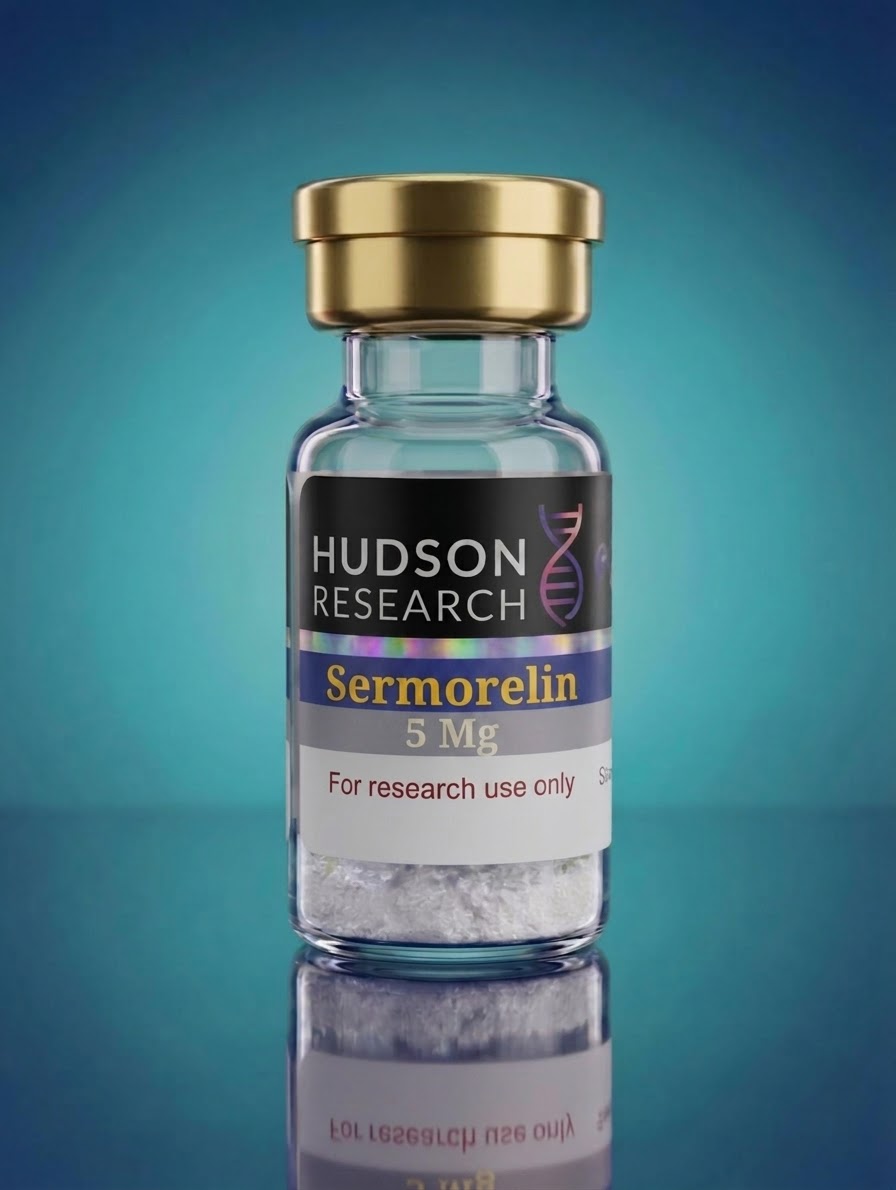
Sermorelin is a synthetic peptide related to growth hormone-releasing hormone (GHRH), a naturally occurring signaling molecule involved in regulating growth hormone release. It is studied for its interaction with biological pathways associated with the pituitary gland and endocrine signaling. For researchers exploring peptide science, understanding Sermorelin’s structure, intended research applications, and handling considerations is an important starting point.
When evaluating Hudson Research Lab peptides, customers should prioritize accurate product information, transparent documentation, and responsible research practices. A well-informed approach to peptide research begins with understanding the compound itself, reviewing applicable regulations, and assessing the reliability of available supplier documentation.
This overview introduces Sermorelin from a research and educational perspective while highlighting important considerations for evaluating peptide-related resources in the United States.
What Is Sermorelin?
Sermorelin is a peptide analogue of the growth hormone-releasing hormone signaling sequence. GHRH normally acts on receptors in the anterior pituitary gland, stimulating the release of growth hormone. Sermorelin has been studied because of its relationship to this biological signaling process.
Researchers interested in peptide chemistry may examine its molecular characteristics, receptor interactions, stability, and role in endocrine research. These topics help provide a scientific foundation for understanding how peptide molecules interact with biological systems.
It is important to distinguish research information from medical advice. Sermorelin is associated with prescription-related medical use, and its availability, approved indications, and permissible uses depend on applicable regulatory requirements. Research descriptions should not be interpreted as evidence that a product is suitable for self-administration or that it is approved for a particular treatment.
Why Peptide Quality and Documentation Matter
Quality considerations are essential when evaluating any peptide intended for legitimate laboratory research. Product names and marketing descriptions alone do not establish identity, purity, stability, or suitability for a specific experiment.
Researchers assessing peptide suppliers should consider several factors:
- Identity documentation: Information supporting the identity of the stated compound.
- Purity data: Analytical results describing the purity of the material, including the method used and its limitations.
- Batch traceability: Lot or batch identifiers that help connect a product to its accompanying documentation.
- Storage information: Clearly stated storage requirements and any available stability information.
- Handling guidance: Appropriate instructions for laboratory storage, handling, and disposal.
- Supplier transparency: Verifiable business information and accessible product documentation.
These checks can help researchers make more informed purchasing and experimental-planning decisions. However, no single document or purity percentage guarantees that a peptide is safe for human use, clinically effective, or suitable for every research application.
Hudson Research Lab Peptides: What to Evaluate
People searching online for Hudson Research Lab peptides should review the available supplier information carefully before making a purchasing decision. A credible research-oriented product listing should clearly identify the compound, provide relevant specifications, and distinguish research materials from medicines approved for human use.
For Sermorelin, prospective buyers should look for product-specific documentation rather than relying exclusively on general statements about peptide quality. Where available, independently verifiable analytical records, batch information, and transparent contact details can help establish whether a supplier provides the information needed for a research assessment.
You can visit hudsonresearchslab.com to review the website’s available information. Before describing it as an official, authorized, or verified source for Sermorelin, independently confirm the business’s identity, the exact product being offered, and any applicable authorization. The existence of a website does not by itself establish regulatory approval, product authenticity, or authorization to supply prescription medicines.
Sermorelin Research and Biological Signaling
One reason Sermorelin receives attention in peptide research is its connection to the growth hormone-releasing hormone pathway. Studying this pathway can help scientists investigate endocrine regulation, receptor signaling, and the relationships between hormones and physiological processes.
Research involving hormone-related peptides requires careful experimental design. Results may depend on the biological model, experimental conditions, analytical techniques, and characteristics of the material under investigation. Findings from laboratory studies should not automatically be interpreted as evidence of effectiveness in people.
Similarly, scientific interest in a peptide does not establish that a particular commercial product has demonstrated clinical benefits. Responsible scientific communication distinguishes established biological information, preliminary research, and clinical evidence.
Responsible Peptide Handling and Storage
Peptides can be sensitive to environmental conditions, and their stability may depend on formulation, packaging, temperature, moisture, and exposure to light. Researchers should follow product-specific documentation and established laboratory procedures rather than assuming that every peptide requires identical storage conditions.
Good laboratory practice includes maintaining appropriate records, tracking batch identifiers, following institutional safety procedures, and disposing of research materials in accordance with applicable requirements.
Products labeled for laboratory research should not be assumed to be sterile, approved for injection, or appropriate for human or veterinary use. Research-only labeling is not a substitute for medical authorization or a complete safety assessment.
Buying Sermorelin in the United States: Important Considerations
For individuals searching for where to buy Sermorelin in the United States, the most important consideration is determining whether the intended use is legitimate laboratory research or medical treatment.
For medical purposes, consult a licensed healthcare professional and use an appropriately authorized pharmacy or other legally permitted source. Prescription requirements, product availability, and applicable regulations should be verified through current official resources.
For legitimate laboratory research, evaluate the supplier’s documentation, business transparency, product specifications, and compliance with applicable federal and state requirements. Avoid relying on unsupported promises, exaggerated performance claims, or testimonials as substitutes for scientific evidence.
A responsible purchasing decision should be based on verifiable information, not simply on a low price or persuasive marketing language. Taking time to assess documentation can help reduce uncertainty and support more reliable research planning.
Frequently Asked Questions About Sermorelin
What is Sermorelin?
Sermorelin is a synthetic peptide related to growth hormone-releasing hormone. It is associated with research into endocrine signaling and the regulation of growth hormone release.
Is Sermorelin approved for human use in the United States?
Regulatory status depends on the specific product, formulation, indication, and circumstances of use. Do not assume that every Sermorelin product is FDA-approved. Consult the FDA and a licensed healthcare professional for current, product-specific information.
Where can I find information about Hudson Research Lab peptides?
Visit hudsonresearchslab.com to review the information published on the website. Verify the supplier’s identity, product-specific documentation, and any relevant authorizations before relying on its claims.
Does a certificate of analysis guarantee product safety?
No. A certificate of analysis may provide useful information about a tested sample, but its value depends on the analytical methods, laboratory, sample traceability, and scope of testing. It does not independently establish clinical safety or effectiveness.
Can research-grade Sermorelin be used for self-treatment?
Research-grade materials should not be assumed suitable for human use. Anyone considering treatment should seek medical guidance and use products obtained through legally appropriate channels.
Final Thoughts: Make Informed Peptide Research Decisions
Sermorelin offers a relevant subject for studying peptide chemistry and growth hormone-related signaling. However, responsible research requires more than a product name or an appealing description. Documentation, traceability, appropriate handling, and regulatory awareness are essential parts of evaluating peptide materials.
When researching Hudson Research Lab peptides, prioritize verifiable product information and avoid unsupported claims about medical outcomes or supplier authorization. For laboratory research, follow applicable institutional and regulatory requirements. For medical questions, consult a qualified healthcare professional.
An informed, evidence-based approach is the strongest foundation for responsible peptide research in the United States.
| strength mg | 1 VIAL, 2 VIALS, 3VIALS, 5 VIALS, 10 VIALS |
|---|
Be the first to review “SERMORELIN”
Related products
HUDSON LAB
HUDSON LAB
HUDSON LAB
HUDSON LAB
HUDSON LAB
HUDSON LAB
Uncategorized
HUDSON LAB
Reviews
There are no reviews yet.