

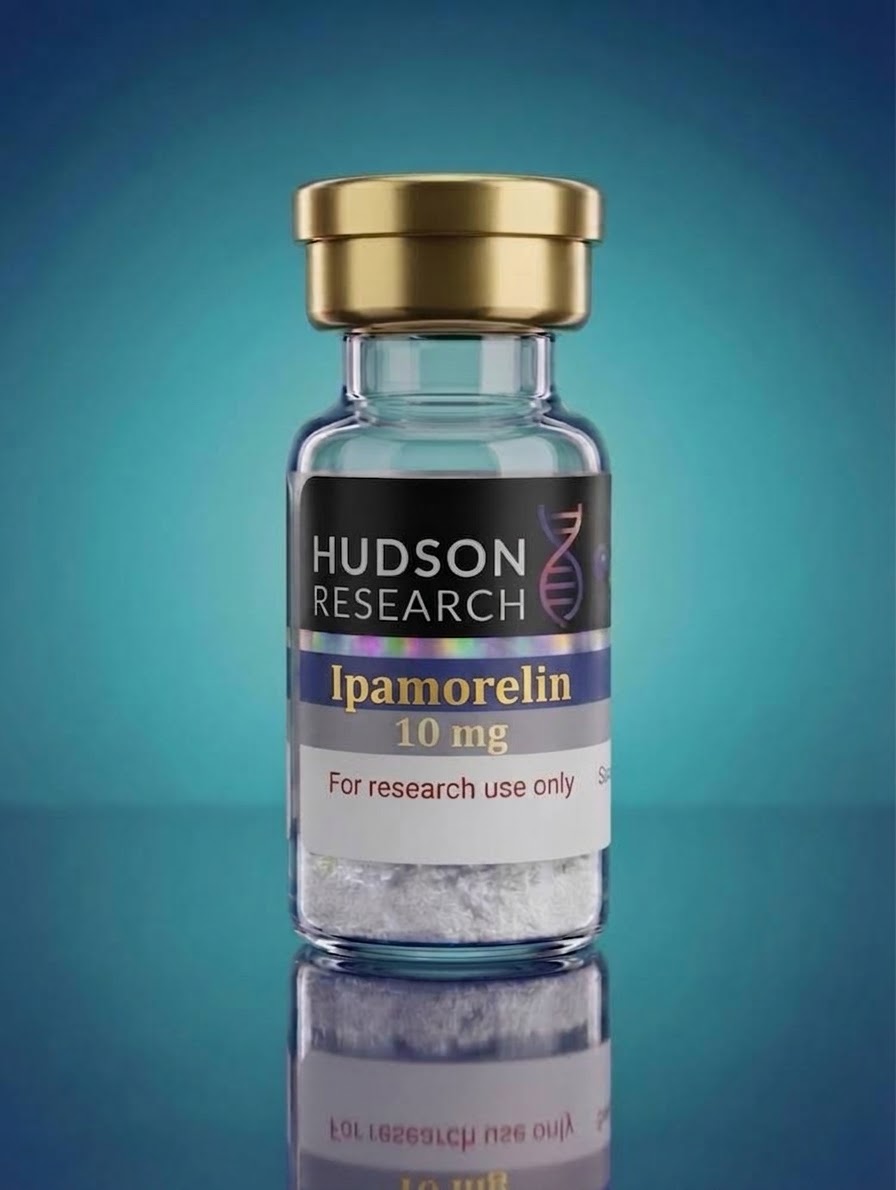
Ipamorelin

Price range: $32.00 through $230.00
Hudson research lab peptides: Explore Ipamorelin research information, laboratory considerations, quality documentation, and responsible research practices.
Ipamorelin: Research Peptide Overview and Laboratory Information Hudson research lab peptides
Ipamorelin: Understanding This Research Peptide
Ipamorelin is a synthetic peptide studied for its interaction with growth hormone secretagogue receptors. It has attracted scientific interest because of its potential role in research involving growth hormone signaling and endocrine pathways. For laboratories and research professionals in the United States, understanding the characteristics, limitations, and documentation associated with research peptides is an important part of responsible scientific practice.
When researching Ipamorelin, it is essential to distinguish established scientific findings from unsupported marketing claims. Product descriptions should communicate the intended research context, available documentation, and relevant safety considerations without promising clinical benefits or implying that an experimental compound is approved for human use.
What Is Ipamorelin?
Ipamorelin is a synthetic pentapeptide that has been investigated for its activity at the ghrelin receptor, also known as the growth hormone secretagogue receptor. Research has explored its ability to stimulate growth hormone release through receptor-mediated signaling.
Although this mechanism has generated scientific interest, research findings do not establish that Ipamorelin is safe or effective for self-administration. The results of laboratory studies cannot automatically be translated into benefits for humans.
Researchers should review relevant scientific literature, assess the quality of available evidence, and consult applicable regulatory requirements before incorporating a compound into a study.
Why Is Ipamorelin Studied?
Interest in Ipamorelin is primarily associated with its interaction with endocrine signaling pathways. Researchers examining peptide compounds may investigate receptor activity, biological signaling, experimental models, and related biochemical processes.
Important considerations include:
- Mechanism of action: Understanding how a compound interacts with its target receptor.
- Research context: Identifying the experimental model and scientific question under investigation.
- Evidence quality: Distinguishing peer-reviewed findings from promotional statements.
- Product documentation: Reviewing available analytical data, identity information, purity specifications, and storage guidance.
- Regulatory compliance: Confirming that acquisition, possession, handling, and use meet applicable legal and institutional requirements.
These considerations help research professionals make informed decisions without relying on exaggerated or unverified claims.
Hudson Research Lab Peptides: What to Verify
When evaluating websites offering research peptides, including websites using the Hudson Research Lab name, buyers and laboratory professionals should independently verify the seller’s identity, business information, product documentation, and stated terms.
A website’s product listing alone does not establish the authenticity, purity, or suitability of a compound. Before relying on any supplier, consider the following documentation and verification steps.
1. Product identity
Look for documentation that identifies the compound and provides relevant chemical information. Confirm that the information corresponds to the material being offered.
2. Analytical testing
Review available certificates of analysis and supporting analytical reports. Determine whether the documentation identifies the tested batch and specifies the methods used. A certificate should be evaluated on its evidence and traceability rather than its appearance alone.
3. Purity and quality information
Purity claims should be supported by appropriate analytical evidence. Purity is only one aspect of quality and does not independently establish identity, sterility, safety, or suitability for a particular experiment.
4. Storage and handling documentation
Check whether appropriate storage conditions, handling precautions, and relevant safety information are provided. Follow institutional laboratory procedures and applicable safety requirements.
5. Supplier transparency
Verify business contact information, applicable terms, and the availability of technical documentation. Do not assume that a supplier is officially authorized or independently verified simply because its website uses professional branding.
Responsible Research and Safety Considerations
Peptides that affect endocrine signaling may have biological effects that require careful evaluation. The existence of published research does not mean that a compound is approved for medical treatment or appropriate for personal use.
Ipamorelin should not be represented as an established treatment for aging, muscle growth, weight management, recovery, or other health conditions without adequate supporting evidence and applicable regulatory authorization.
Potential risks associated with experimental peptide compounds may include uncertain biological effects, product contamination, incorrect labeling, and inadequate quality control. The risks depend on the substance, formulation, exposure, and circumstances of use.
Research facilities should follow institutional protocols, maintain appropriate records, and consult qualified safety personnel when evaluating unfamiliar compounds. Individuals considering a peptide for personal health purposes should consult a licensed healthcare professional rather than relying on online product descriptions.
Evaluating Research Peptide Suppliers in the United States
For U.S. researchers, supplier evaluation involves more than comparing advertised prices or product claims. A reliable assessment should consider documentation quality, traceability, transparent business practices, and compliance with relevant federal and state requirements.
Search terms such as “Ipamorelin research information,” “research peptide documentation,” and “Hudson research lab peptides” can help users locate relevant information. However, search rankings and keyword relevance are not evidence of supplier legitimacy, product quality, or regulatory approval.
Before making purchasing decisions, independently verify any claims about official supplier status, product specifications, and intended use. Where necessary, seek guidance from institutional procurement teams, regulatory specialists, or qualified scientific professionals.
Frequently Asked Questions
What is Ipamorelin?
Ipamorelin is a synthetic peptide investigated for its interaction with growth hormone secretagogue receptors. Its research applications and limitations should be evaluated through scientific literature and appropriate documentation.
Is Ipamorelin approved for human use in the United States?
Ipamorelin should not be assumed to be FDA-approved for human use. Verify any specific approval claim through official FDA resources and consult a qualified healthcare professional about medical questions.
How can researchers evaluate peptide quality?
Researchers can review compound identity information, batch-specific analytical documentation, test methods, storage requirements, and supplier traceability. No single document guarantees that a material is safe or suitable for every application.
Is Hudson Research Lab an official Ipamorelin supplier?
Official supplier status has not been independently verified here. Check the business’s legal identity, relevant documentation, and any claims of authorization before relying on them.
Conclusion
Ipamorelin remains a subject of scientific interest because of its interaction with growth hormone signaling pathways. Responsible evaluation requires careful attention to research evidence, product identity, analytical documentation, safety, and applicable regulations.
For anyone researching Hudson research lab peptides or other peptide-related suppliers in the United States, independent verification is essential. Prioritizing transparent documentation and evidence-based information supports more informed decisions and helps avoid misleading product claims.
Research-use reminder: This informational content is not medical advice, a treatment recommendation, or a verification of any supplier’s products or claims.
| QTY | 1 VIAL, 2 VIALS, 3VIALS, 5 VIALS, 10 VIALS |
|---|
Be the first to review “Ipamorelin”
Related products
HUDSON LAB
HUDSON LAB
HUDSON LAB
HUDSON LAB
HUDSON LAB
Uncategorized
HUDSON LAB
HUDSON LAB
Reviews
There are no reviews yet.