

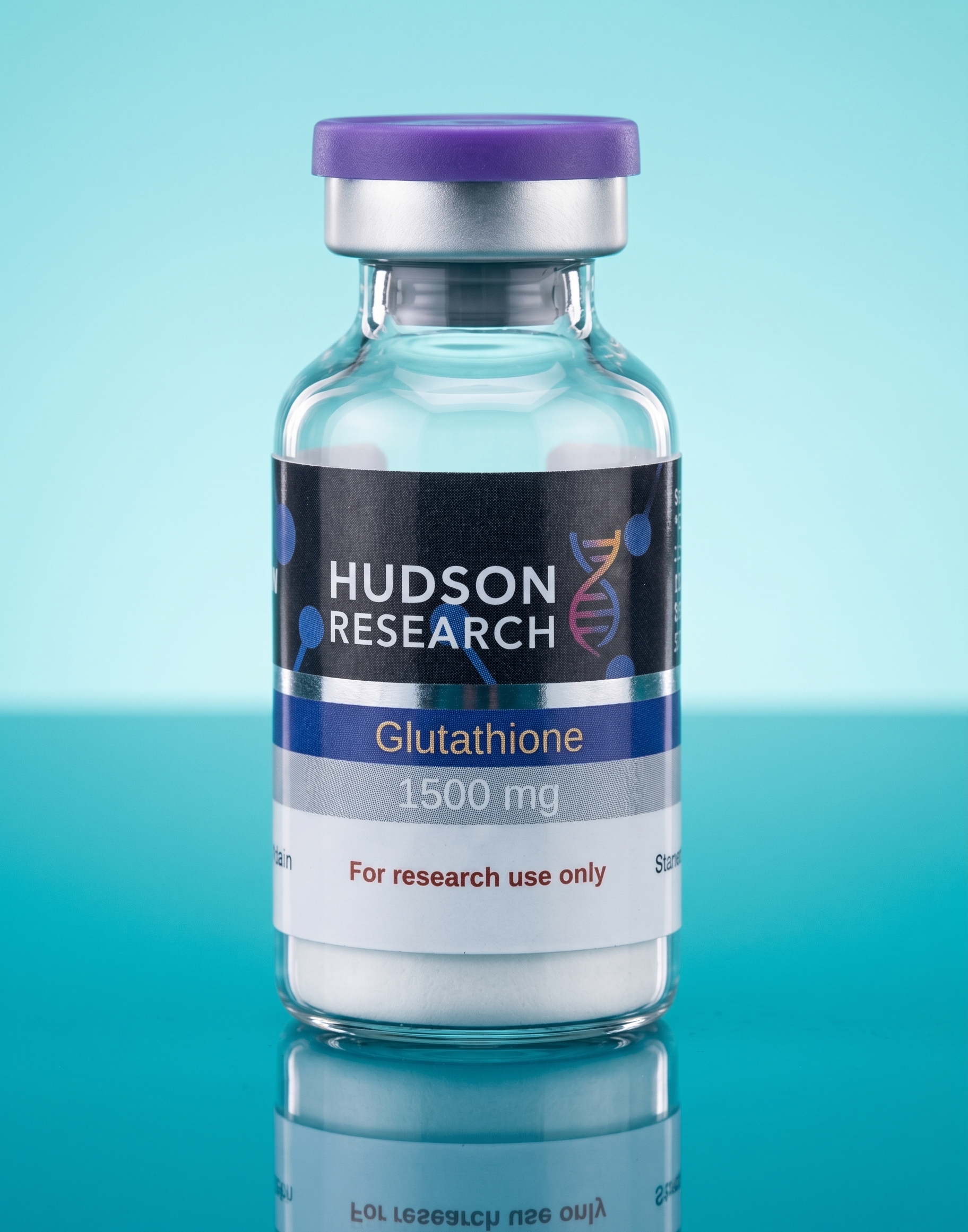
Gluthatione


Price range: $45.00 through $324.00
Shop glutathione research products at hudsonresearchslab.com. Explore Hudson research lab peptides and review product details before ordering.
Glutathione – SEO-Optimized Product Description
Discover glutathione, a naturally occurring tripeptide composed of three amino acids: glutamate, cysteine, and glycine. Recognized for its important role in cellular biology, glutathione is widely discussed in biochemical research and laboratory science. For researchers seeking information about glutathione, understanding its composition, properties, and documentation is an essential first step.
When exploring Hudson research lab peptides, product transparency and accessible technical information should be priorities. Researchers need clear product identification, relevant specifications, and appropriate documentation to evaluate whether a material meets their laboratory requirements. Before selecting any glutathione product, review its stated formulation, purity specifications, storage recommendations, and intended use.
Visit hudsonresearchslab.com to review the website and any available glutathione product listings, specifications, and supporting documentation. Confirm the seller’s identity, product availability, and terms before placing an order.
What Is Glutathione?
Glutathione is a small molecule made from three amino acids linked together. It occurs naturally in many cells and participates in several biochemical processes, including maintaining cellular redox balance. Because of these functions, glutathione is a subject of interest in biochemical, cellular, and oxidative-stress research.
Unlike a conventional protein composed of a long amino-acid chain, glutathione is a tripeptide with a relatively simple structure. Its chemical characteristics make it useful in studies investigating cellular chemistry, antioxidant systems, and interactions between biological molecules.
For laboratory professionals, accurate product identification matters. The name glutathione alone does not establish a product’s concentration, purity, formulation, or suitability for a particular experiment. Those details should be confirmed through the product specification sheet and supporting analytical documentation.
Why Glutathione Matters in Laboratory Research
Glutathione is frequently discussed in scientific literature because of its involvement in cellular antioxidant processes. Researchers studying cellular metabolism, redox biology, and biochemical reactions may encounter glutathione in a variety of experimental contexts.
Its scientific relevance makes accurate sourcing and documentation particularly important. Differences in formulation, concentration, sample handling, and analytical quality can affect how a material is evaluated in a laboratory.
When reviewing glutathione for research purposes, consider the following factors:
- Product identity: Confirm that the listing clearly identifies glutathione and specifies the form supplied.
- Purity documentation: Review available analytical results rather than relying solely on promotional statements.
- Batch traceability: Look for lot numbers and documentation that correspond to the supplied material.
- Storage information: Follow the manufacturer’s documented storage conditions to preserve sample integrity.
- Technical support: Seek clear answers about specifications, packaging, and available documentation.
- Intended use: Verify that the product is appropriate for the specific laboratory application and comply with applicable handling requirements.
These practical considerations can help researchers make more informed purchasing decisions without relying on exaggerated claims or incomplete product information.
Hudson Research Lab Peptides: What to Review Before Buying
Finding a suitable glutathione research product involves more than comparing product names. Researchers should evaluate the available technical information and confirm that the seller provides adequate documentation.
If you are considering Hudson research lab peptides, begin by visiting hudsonresearchslab.com and examining the relevant product page. Check whether the listing provides a clear description, specifications, packaging information, and applicable purchasing terms.
A well-documented product listing should make it easier to identify the material being offered and understand its stated limitations. If important details are missing, contact the seller for clarification before making a decision.
Consider these questions when evaluating a supplier:
- Does the product page clearly identify the material?
- Are purity claims supported by relevant documentation?
- Is batch-specific information available where applicable?
- Are storage, handling, and shipping conditions explained?
- Are the seller’s business identity, contact details, and policies transparent?
- Is the product explicitly designated for laboratory research rather than human or veterinary use?
A supplier’s claims should be independently evaluated. Do not assume that a website is an authorized or official source without verifying that relationship through reliable evidence.
Key Product Features to Evaluate
The following characteristics may help you assess a glutathione listing. Confirm each detail directly with the seller because specifications vary by product.
1. Clearly Identified Composition
A reliable product description should identify glutathione and distinguish the specific form being supplied. This helps researchers avoid confusion between materials that may have different chemical properties or intended applications.
2. Accessible Technical Specifications
Look for available information about the product’s stated composition, quantity, concentration, and other relevant specifications. Clear documentation helps buyers determine whether the listed material matches their research requirements.
3. Analytical Transparency
Where available, review certificates of analysis and supporting test results. Check the sample or batch identifier, testing information, reported findings, and issuing laboratory. A certificate should correspond to the material being purchased.
4. Appropriate Packaging and Storage Guidance
Packaging and storage information are important considerations for laboratory materials. Follow the documented recommendations supplied for the specific product and avoid assuming that storage conditions are identical across formulations.
5. Clear Purchasing Policies
Before ordering, review shipping terms, payment requirements, return policies, and customer-support information. Transparent policies help buyers understand the purchasing process and resolve questions before completing a transaction.
Where to Buy Glutathione in the United States
If you are searching online for glutathione, start by reviewing the product information available at hudsonresearchslab.com. This is the website requested for this product page, but its official-seller status, current inventory, and product specifications should be independently verified.
For United States customers, check the supplier’s shipping policy, delivery restrictions, applicable legal requirements, and any relevant import or handling rules before purchasing.
Compare product documentation and supplier transparency rather than choosing solely on price or advertising language. A low-cost listing is not necessarily the best choice if its identity, specifications, or quality documentation cannot be verified.
Before completing an order, confirm that the product’s stated intended use matches your needs. Research-grade materials should not be assumed to be approved for human consumption, injection, diagnosis, treatment, or cosmetic use.
Frequently Asked Questions About Glutathione
What is glutathione used for in research?
Glutathione is studied in biochemical research involving cellular redox balance, antioxidant systems, and related biological processes. Specific applications depend on the research question and the laboratory’s validated procedures.
Where can I find glutathione product information?
You can review the requested website, hudsonresearchslab.com, for any available product listings and documentation. Verify the seller’s identity, current availability, and product specifications before ordering.
What should I check before buying glutathione?
Review the product identity, stated purity, analytical documentation, batch information, storage guidance, intended use, and supplier policies. Ask the seller to clarify any missing details.
Are all glutathione products identical?
No. Products can differ in formulation, concentration, purity, packaging, and intended application. The product name alone is not enough to establish equivalence.
Is research-grade glutathione intended for human use?
Not necessarily. Research-grade materials may not meet the quality, manufacturing, or regulatory requirements applicable to products intended for human use. Follow the stated intended-use restrictions and applicable regulations.
Final Thoughts: Make an Informed Research Purchase
Glutathione remains an important subject in biochemical science because of its role in cellular redox processes and antioxidant systems. For laboratory buyers, the most valuable starting point is a clearly identified product supported by transparent specifications and appropriate documentation.
When exploring Hudson research lab peptides, prioritize verifiable product details, responsible sourcing, and clear supplier policies. Visit hudsonresearchslab.com to review the available information, then independently confirm the seller’s identity and the suitability of any listed material for your intended laboratory application.
Choose transparency over guesswork. Careful product evaluation helps researchers make more confident, informed decisions while maintaining appropriate laboratory standards.
Research-use notice: This description is intended for informational and laboratory-research contexts. It does not establish that any particular product is safe or effective for human use and is not medical advice. Follow applicable regulations and the supplier’s documented handling instructions.
| qty | 1 VIAL, 2 VIALS, 3VIALS, 5 VIALS, 10 VIALS |
|---|
Be the first to review “Gluthatione”
Related products

Uncategorized
HUDSON LAB
HUDSON LAB
HUDSON LAB
HUDSON LAB
HUDSON LAB
HUDSON LAB

HUDSON LAB
Reviews
There are no reviews yet.