

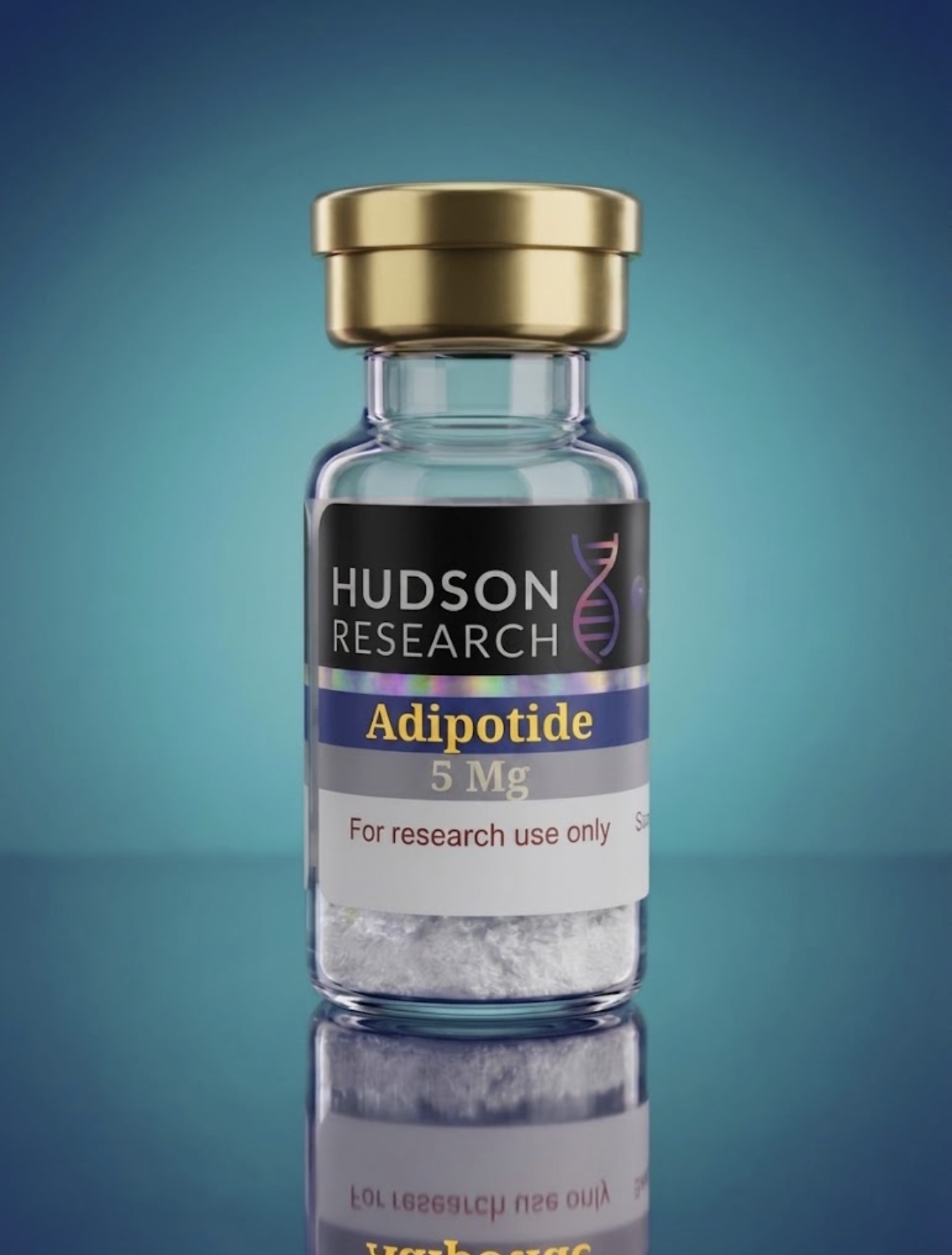
Adipotide Research Peptide: Product Information and Research Overview
Adipotide: An Overview of This Experimental Research Peptide
Hudson Research Lab peptides Adipotide is an experimental peptide investigated for its potential effects on adipose tissue, the body’s fat-storing tissue. It has attracted scientific interest because of its proposed mechanism involving the blood vessels that supply adipose tissue. For researchers exploring peptide science, metabolic biology, and experimental approaches to fat tissue, understanding Adipotide’s research background is an important starting point.
When evaluating research peptides in the United States, buyers and research professionals should prioritize accurate product information, transparent documentation, and appropriate laboratory handling. A reliable research purchasing process begins with understanding what a compound is, what published research indicates, and what limitations remain.
What Is Adipotide?
Adipotide is an experimental peptide studied for its proposed ability to target the vascular supply associated with adipose tissue. Its mechanism has been explored in preclinical research, including investigations involving animal models. These studies have generated scientific interest in targeted approaches to studying fat tissue and its blood supply.
However, experimental findings must be interpreted carefully. Results from animal studies do not establish safety, efficacy, or suitable dosing in humans. Adipotide should not be confused with approved weight-management medications, established obesity treatments, or ordinary nutritional supplements.
For researchers, a balanced understanding of the compound’s background helps distinguish preliminary scientific findings from established clinical evidence.
Why Is Adipotide Studied in Research?
Research involving Adipotide has examined mechanisms related to adipose tissue vasculature and changes in fat tissue in preclinical settings. These investigations contribute to broader scientific discussions about the relationship between blood vessel function, metabolic processes, and adipose tissue biology.
Potential areas of scientific interest include:
- Adipose tissue biology: Investigating the structures and processes involved in fat storage.
- Vascular targeting: Exploring experimental strategies involving blood vessels associated with specific tissues.
- Metabolic research: Examining relationships between adipose tissue and broader metabolic functions.
- Preclinical peptide research: Understanding how experimental compounds behave in controlled laboratory and animal studies.
These topics represent research interests rather than established medical benefits. Further evidence is necessary before conclusions about human applications can be justified.
Where to Find Hudson Research Lab Peptides Information
People searching online for Hudson Research Lab peptides should verify the seller’s identity, business details, and product documentation before making a purchasing decision.
The website hudsonresearchslab.com can be reviewed as a potential source of seller information, but its status as an official or authorized Adipotide supplier should be independently confirmed. This description does not establish an official relationship between the website and any manufacturer.
Before purchasing a research compound, consider the following questions:
- Does the supplier provide a clear product identity and description?
- Is a lot-specific certificate of analysis available?
- Does the documentation identify the analytical methods used to assess identity and purity?
- Are storage requirements and handling precautions clearly stated?
- Are the seller’s contact details, business policies, and shipping terms transparent?
- Does the supplier clearly distinguish laboratory research materials from products intended for human consumption?
These checks can help researchers make more informed decisions and avoid misleading product claims.
What to Look for in Adipotide Product Documentation
High-quality research documentation is an essential consideration when evaluating experimental peptides. Product names and advertised purity figures alone do not establish the identity, quality, or suitability of a material for a particular study.
Researchers should review available analytical records, including certificates of analysis and information about the methods used to characterize the material. Documentation should correspond to the specific lot being evaluated whenever possible.
Additional considerations include storage conditions, product stability information, packaging integrity, and traceability. Researchers should also determine whether the material is suitable for their intended laboratory procedures rather than assuming that all products sold under the same name are interchangeable.
A transparent documentation process supports more reproducible research and helps reduce uncertainty when comparing materials from different suppliers.
Important Safety and Regulatory Considerations
Adipotide remains experimental and should not be marketed as an established human weight-loss treatment. Preclinical research cannot independently demonstrate that a compound is safe or effective for people.
Individuals should not use research-only peptides for self-treatment, weight loss, injection, or other personal medical purposes. Products labeled for laboratory research are not automatically appropriate for human use, regardless of how they are advertised online.
Researchers in the United States should assess applicable federal and state requirements, institutional policies, laboratory safety procedures, and any relevant restrictions before acquiring or handling experimental compounds. Clinical use requires appropriate evidence and regulatory authorization.
Anyone seeking treatment for obesity or another health concern should consult a qualified healthcare professional about established, evidence-based options.
Frequently Asked Questions About Adipotide
Is Adipotide an approved weight-loss medication?
Adipotide is an experimental research peptide, not an established FDA-approved weight-loss medication. Preliminary research should not be interpreted as proof of clinical effectiveness.
Where can I find information about Hudson Research Lab peptides?
You can review hudsonresearchslab.com for available company and product information. Independently verify the supplier’s identity, product documentation, and authorization status before relying on any claims about official distribution.
What documentation should accompany an experimental peptide?
Where available, researchers should review lot-specific analytical documentation, identity testing, purity information, storage requirements, and relevant safety information.
Can Adipotide research results be applied directly to humans?
No. Findings from preclinical studies cannot automatically be generalized to humans. Appropriate clinical evidence and regulatory review are necessary to establish safety and effectiveness for human use.
Final Thoughts
Adipotide represents an interesting area of experimental peptide research, particularly in studies involving adipose tissue and its vascular supply. Nevertheless, responsible evaluation requires separating scientific interest from unproven medical claims.
For those researching Hudson Research Lab peptides in the United States, transparent documentation, verifiable supplier information, and responsible research practices are more meaningful indicators of a credible purchasing process than exaggerated promises or unsupported claims. Review the available information carefully, verify any seller’s official status independently, and ensure that all research activities comply with applicable requirements.
| strength mg | 1 VIAL, 2 VIALS, 3VIALS, 5 VIALS, 10 VIALS |
|---|
Be the first to review “Adipotide”
Related products
HUDSON LAB
HUDSON LAB
HUDSON LAB
HUDSON LAB
HUDSON LAB

HUDSON LAB
Uncategorized
HUDSON LAB
Reviews
There are no reviews yet.