

SLU-PP-332: Research Overview, Scientific Interest, and Laboratory Information
SLU-PP-332: An Overview of an Emerging Research Compound
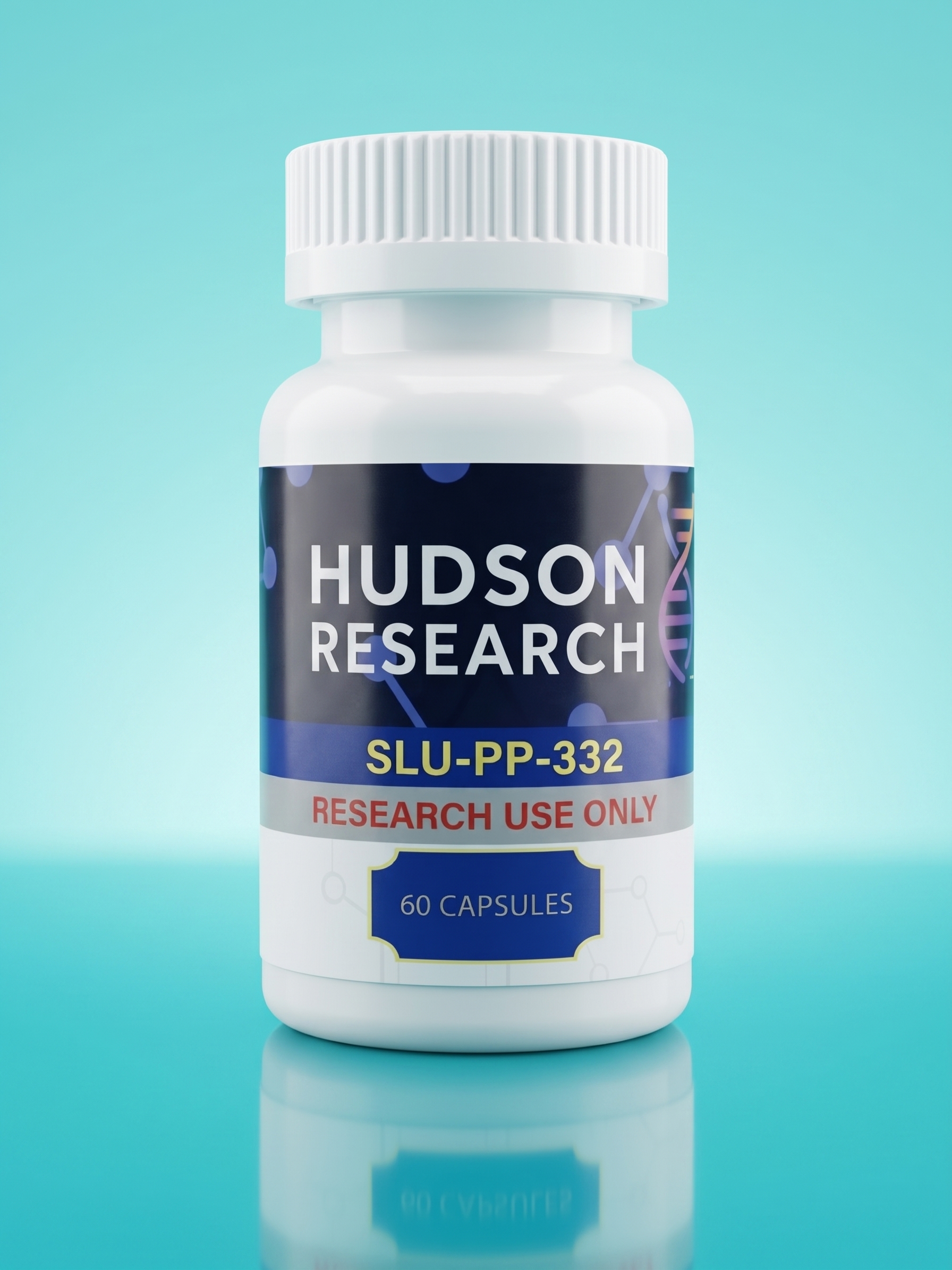
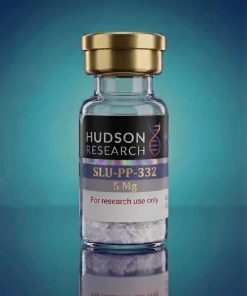
Hudson research lab peptides SLU-PP-332 is a synthetic compound that has attracted scientific interest in preclinical research involving estrogen-related receptor (ERR) signaling and cellular energy metabolism. Researchers studying metabolic pathways may encounter this compound in discussions about mitochondrial function, energy utilization, and experimental approaches to understanding cellular biology.
Interest in emerging research compounds continues to grow across the scientific community. However, it is essential to distinguish laboratory findings from established medical evidence. SLU-PP-332 remains an investigational research compound, and findings from experimental studies should not be interpreted as proof of safety or effectiveness in humans.
For laboratories and scientific professionals researching this subject, understanding the compound’s research context, documentation requirements, and supplier transparency is an important starting point.
Understanding SLU-PP-332 and Its Research Context
SLU-PP-332 is discussed in scientific literature for its activity involving estrogen-related receptors, a group of nuclear receptors associated with the regulation of cellular metabolism and energy-related processes.
These receptors are relevant to several areas of basic biological research, including mitochondrial activity, gene expression, and metabolic regulation. Investigating their activity can help scientists better understand complex cellular mechanisms.
Nevertheless, a compound’s activity in an experimental model does not automatically establish a therapeutic benefit. Additional investigation is necessary to determine how laboratory findings translate, if at all, to human biology.
Researchers evaluating SLU-PP-332 should review the available scientific literature, experimental methods, study limitations, and applicable laboratory requirements before drawing conclusions.
Hudson Research Lab Peptides: Research Information and Supplier Evaluation
People searching for Hudson research lab peptides may be looking for information about research compounds, laboratory materials, product documentation, and supplier transparency.
Before purchasing any research chemical, laboratories should independently evaluate the supplier’s identity and business information. A professional-looking website or a product listing alone does not establish the authenticity, purity, or suitability of a compound.
When evaluating hudsonresearchslab.com, prospective customers should verify the website’s ownership, contact information, terms of sale, shipping policies, and availability of product-specific documentation. The website should not be considered an official or independently verified source solely because it lists a compound.
Responsible sourcing involves checking whether the supplier provides appropriate analytical documentation, including a certificate of analysis when applicable. Such documentation should identify the tested material, analytical methods, testing date, and results. Where possible, laboratories should independently confirm the information with a qualified analytical testing provider.
These precautions help reduce the risk of relying on inaccurate labeling, incomplete specifications, or unsupported quality claims.
Important Laboratory Quality Considerations
The quality of a research compound can significantly affect the interpretation and reproducibility of experimental results. Researchers should therefore consider several factors when evaluating laboratory materials.
1. Identity and Analytical Documentation
Product documentation should provide enough information to establish the material’s stated identity and relevant analytical characteristics. A certificate of analysis should be assessed for completeness and traceability rather than accepted at face value.
2. Purity and Impurity Information
Purity figures require context. The analytical method, reporting basis, and possible impurities can influence how a result should be interpreted. A high stated purity percentage alone does not establish that a material is suitable for a particular experiment.
3. Storage and Handling Information
Research materials may require specific storage and handling conditions. Laboratories should follow applicable safety documentation, institutional procedures, and relevant chemical-handling requirements.
4. Traceability and Recordkeeping
Maintaining purchase records, lot identifiers, supplier documentation, and analytical results helps laboratories track materials and investigate unexpected experimental outcomes.
5. Regulatory and Institutional Requirements
Before acquiring or using an investigational compound, researchers should review relevant federal, state, institutional, and laboratory requirements. Product availability online does not establish regulatory approval or suitability for human or veterinary use.
Why Scientific Verification Matters
Online information about emerging research compounds can vary considerably in quality. Some descriptions may overstate early findings, omit important study limitations, or imply benefits that have not been established in humans.
A reliable research approach prioritizes peer-reviewed literature, transparent experimental methods, reproducible results, and careful interpretation of available evidence.
For SLU-PP-332, researchers should distinguish preclinical observations from clinical evidence and avoid assuming that experimental effects establish safety, efficacy, or an appropriate dosage in people.
This distinction is especially important when online descriptions use terms associated with exercise, weight management, metabolism, or other health-related outcomes. Such claims should not be treated as established benefits without adequate supporting evidence and applicable authorization.
Where to Find Information About SLU-PP-332
Individuals searching for SLU-PP-332 in the United States should begin by reviewing scientific publications, established chemical information resources, and relevant regulatory guidance.
The website hudsonresearchslab.com can be independently evaluated as a potential supplier, but its status as an official source, the authenticity of any listed material, and the availability of reliable analytical testing should be verified directly before any purchasing decision.
Prospective buyers should confirm the exact product identity, review available documentation, understand applicable shipping and handling requirements, and determine whether the material is appropriate for their intended lawful research activities.
No supplier should be assumed to provide a verified or superior product without sufficient supporting evidence.
Frequently Asked Questions About SLU-PP-332
What is SLU-PP-332?
SLU-PP-332 is a synthetic investigational compound studied in preclinical research involving estrogen-related receptors and metabolic processes.
Is SLU-PP-332 approved for human use?
It should not be assumed to be approved for human use. Buyers and researchers should consult authoritative regulatory sources for current status and should not use research chemicals as medicines or dietary supplements.
What should researchers check before selecting a supplier?
Researchers should review supplier identity, product-specific analytical documentation, material traceability, relevant safety information, and applicable regulatory requirements.
Is hudsonresearchslab.com a verified official supplier?
Its status cannot be confirmed from the website name alone. Prospective customers should independently verify business identity, product documentation, and any claims about official distribution or laboratory quality.
Why is analytical documentation important?
Documentation helps researchers evaluate material identity and reported analytical characteristics. Independent verification may be necessary because documentation alone does not guarantee authenticity or experimental suitability.
Conclusion: Make Informed Research Decisions
SLU-PP-332 is an investigational compound of scientific interest, but its research status makes careful evaluation essential. Laboratories should prioritize credible scientific evidence, appropriate documentation, traceability, and responsible handling when investigating this compound.
People searching for Hudson research lab peptides should verify supplier claims and product information before making purchasing decisions. A transparent, evidence-based approach is more valuable than unsupported promises about quality, performance, or health benefits.
By focusing on scientific accuracy and responsible sourcing, researchers can make better-informed decisions while maintaining appropriate standards for laboratory work.
| strength mg | 250mg, 500mg, 1mg, 100mg |
|---|---|
| qty | 1 VIAL, 2 VIALS, 3VIALS, 5 VIALS, 10 VIALS |
Be the first to review “SLU-PP 332”
Related products
HUDSON LAB
HUDSON LAB
HUDSON LAB
HUDSON LAB
HUDSON LAB
HUDSON LAB
HUDSON LAB

HUDSON LAB
Reviews
There are no reviews yet.