

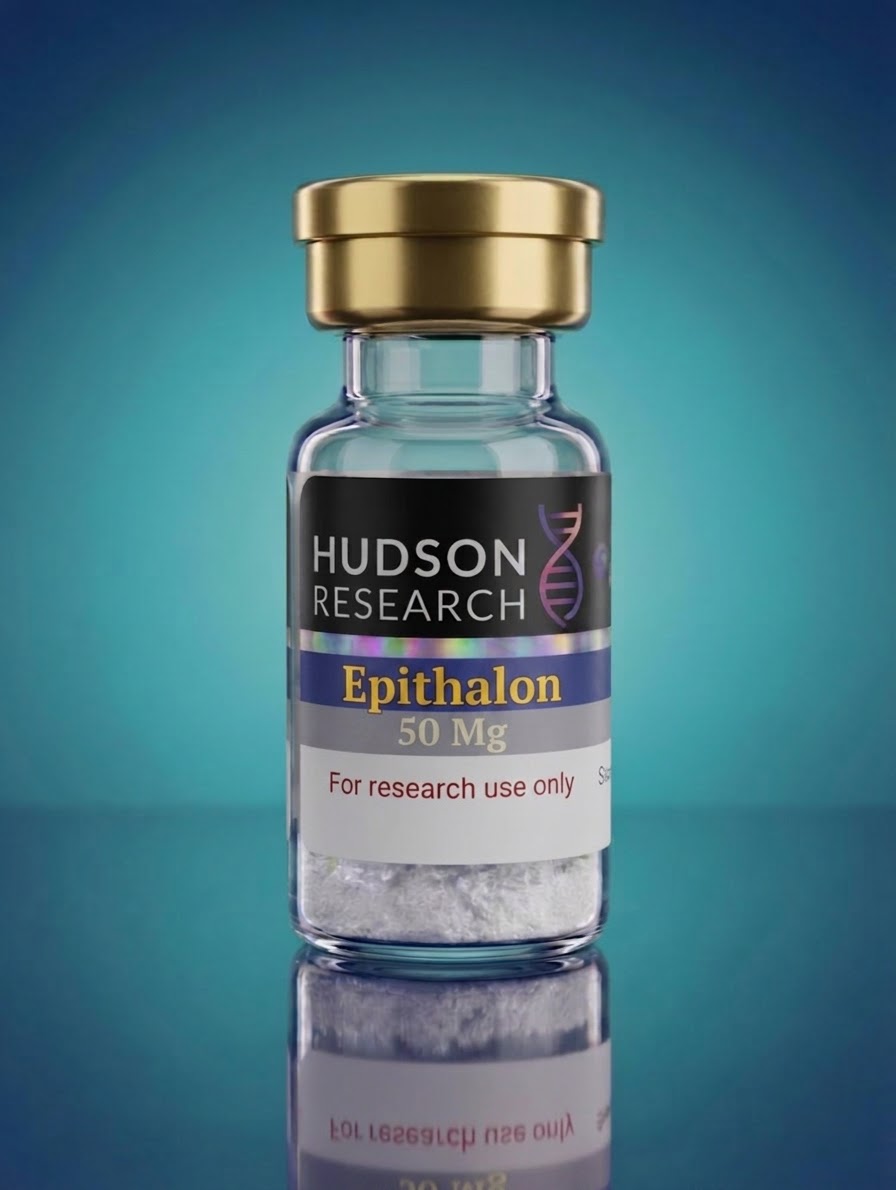
Epithalon Peptide: Research Overview, Properties, and Buying Considerations
Epithalon Peptide: An Informative Guide for Research Buyers in the United States Hudson research lab peptides
Epithalon is a synthetic peptide that has attracted scientific interest in discussions involving cellular biology, aging research, and laboratory investigations. For researchers exploring specialized peptide compounds, understanding the substance, its research background, and the importance of responsible sourcing is essential before making purchasing decisions.
If you are researching Epithalon in the United States, this guide outlines its general scientific background, relevant considerations for evaluating suppliers, and important questions to ask before selecting a research product.
What Is Epithalon?
Epithalon, also known as Epitalon in some publications, is a synthetic tetrapeptide commonly described by the amino acid sequence Ala-Glu-Asp-Gly. It has been investigated in experimental research involving biological processes associated with aging and cellular function.
Interest in this compound stems partly from scientific hypotheses concerning telomeres, cellular aging, and the regulation of biological processes. However, findings from preliminary studies should not be interpreted as proof that Epithalon reverses aging, extends human lifespan, or prevents age-related diseases.
For laboratory professionals, the distinction between experimental findings and established clinical evidence is critical. Research compounds require careful evaluation, reliable documentation, and an appropriate understanding of the limitations of available scientific literature.
Why Is Epithalon Discussed in Aging Research?
Epithalon is often mentioned in scientific discussions about cellular aging and longevity research. These topics are important areas of investigation because scientists continue to study how cells respond to stress, change over time, and maintain normal biological functions.
Although preliminary research may generate promising hypotheses, a compound’s biological activity in an experimental setting does not automatically establish safety or effectiveness in humans.
Anyone reviewing Epithalon research should consider the study design, experimental model, sample size, reproducibility, and quality of the published evidence. These factors help distinguish meaningful scientific findings from unsupported marketing claims.
Evaluating Hudson Research Lab Peptides
When researching Hudson Research Lab peptides, prospective buyers should evaluate available product information carefully rather than relying solely on advertising language or search-engine rankings.
The website hudsonresearchslab.com can be consulted as a seller reference, but its status as an official or authorized source, as well as the quality and authenticity of any particular product, should be independently verified.
Before purchasing an Epithalon research product, consider the following factors:
- Product identity: Look for clear identification of the compound and its stated specifications.
- Analytical documentation: Review any available certificate of analysis and determine whether it corresponds to the specific batch being offered.
- Independent testing: Check whether testing was conducted by a qualified independent laboratory and whether the report can be authenticated.
- Purity information: Understand what the stated purity percentage measures and which analytical methods were used.
- Storage and handling: Review documented storage requirements and handling instructions.
- Supplier transparency: Look for accessible business information, clear purchasing terms, and responsive customer support.
- Regulatory considerations: Determine whether the product’s intended use and sale comply with applicable federal and state requirements.
These checks can help research buyers make more informed decisions. A polished website or an advertised purity figure alone does not establish a product’s authenticity, safety, or suitability for a particular application.
Important Safety and Regulatory Considerations
Epithalon should not be assumed to be safe for human use simply because it is described as a research peptide. The existence of scientific interest in a compound does not establish that it has been approved as a medicine or demonstrated to be effective for treating a health condition.
Do not rely on unverified online claims that Epithalon reverses aging, improves longevity, or provides guaranteed health benefits. The available evidence must be evaluated in context, and important questions about human safety, dosing, interactions, and long-term outcomes may remain unresolved.
In the United States, the regulatory status of a peptide depends on its specific circumstances and intended use. Buyers should consult appropriate regulatory resources and qualified professionals when determining whether a proposed use or transaction is lawful.
How to Make an Informed Purchasing Decision
If you are comparing research peptide suppliers, use a consistent evaluation process rather than choosing exclusively on price or promotional language.
First, confirm that the product description identifies the compound clearly. Next, request relevant analytical documentation and verify that it matches the offered batch. Then review the seller’s terms, shipping information, return policy, and business contact details.
You should also consider whether the supplier makes scientifically supportable statements. Claims promising guaranteed anti-aging results or definitive human health benefits deserve particular scrutiny when the underlying evidence is preliminary or incomplete.
For buyers researching Hudson research lab peptides, visiting hudsonresearchslab.com may be one step in gathering supplier information. Before placing an order, independently confirm the seller’s identity, product documentation, applicable restrictions, and the suitability of the material for its stated research purpose.
Frequently Asked Questions About Epithalon
What is Epithalon used for in research?
Epithalon has been discussed in experimental research involving cellular biology and aging-related mechanisms. Research findings do not establish that it is an effective or approved human treatment.
Is Epithalon an approved anti-aging treatment in the United States?
You should not assume that Epithalon is FDA-approved for anti-aging or longevity purposes. Consult current FDA resources for applicable regulatory information.
Where can I find information about Hudson Research Lab peptides?
You can review hudsonresearchslab.com as a potential seller reference. Independently verify the business, product identity, batch-specific documentation, and applicable legal requirements before making a purchasing decision.
Does a certificate of analysis guarantee product safety?
No. A certificate of analysis can provide information about selected testing parameters, but it does not automatically establish sterility, overall safety, clinical effectiveness, or suitability for human consumption.
Final Thoughts
Epithalon remains a subject of scientific interest, but responsible research requires more than compelling marketing claims. Understanding the evidence, verifying supplier documentation, and reviewing applicable regulatory requirements are essential steps when evaluating any research peptide.
Whether you are comparing Hudson Research Lab peptides or researching Epithalon more broadly, prioritize verified documentation, transparent sourcing, and evidence-based decision-making over unsupported promises. This careful approach helps researchers assess products more critically while maintaining appropriate scientific and regulatory standards.
| strength mg | 1 VIAL, 2 VIALS, 3VIALS, 5 VIALS, 10 VIALS |
|---|
Be the first to review “Epithalon”
Related products
HUDSON LAB
HUDSON LAB
HUDSON LAB
HUDSON LAB
HUDSON LAB
HUDSON LAB
HUDSON LAB
HUDSON LAB
Reviews
There are no reviews yet.